Department of Immunology and Infectious Diseases
We lead efforts to treat and prevent infectious diseases by conducting pioneering research into the biological, chemical, and genetic factors behind pathogens.
Who We Are
The Department of Immunology and Infectious Diseases (IID) examines various facets of diseases in order to alleviate the burden of disease worldwide, mainly from marginalized populations.
To achieve this goal, IID explores the complex biological, immunological, epidemiological, and ecological aspects of viral, bacterial, and protozoan diseases affecting both animals and humans, including the vectors that transmit these infectious agents.
Our current research encompasses a range of infectious and immune-mediated diseases, such as tuberculosis, malaria, Ebola, Zika, COVID-19, cancer, and HIV/AIDS, as well as other infectious disease outbreaks.
IID fosters an environment where a wide range of perspectives and communities drive forward our innovative research and solutions. Our efforts align with the work of the Office for Community and Belonging, which helps cultivate environments across the School where individuals are supported, respected, and empowered to contribute. By fostering open dialogue, collaboration, and shared purpose, we aim to create a department where people can grow, learn from one another, and advance solutions that improve health and well-being in communities around the world.
13
Wet labs
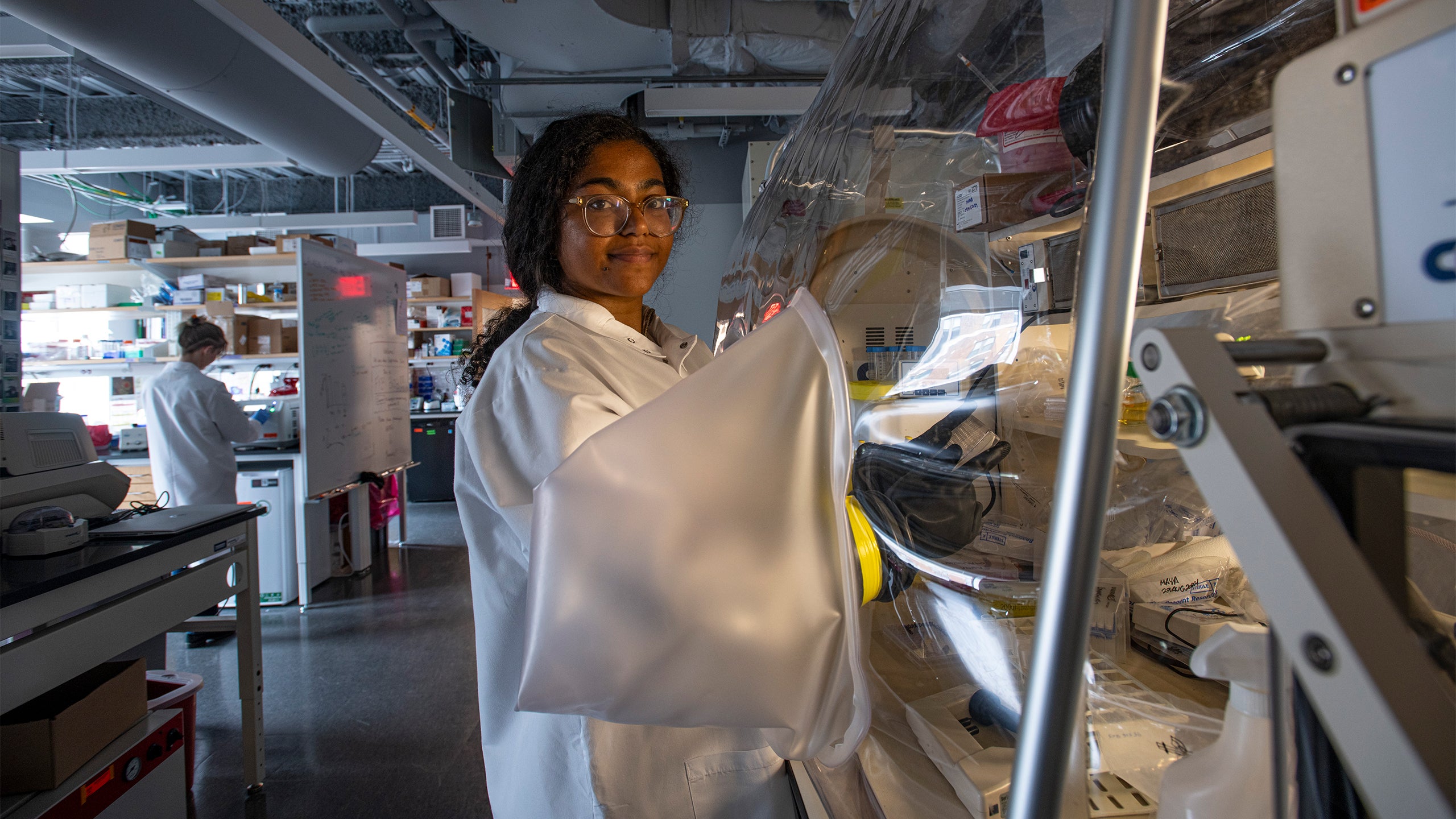
Our department boasts 13 state-of-the-art wet laboratories spearheaded by faculty, facilitating groundbreaking research and innovation in immunology and infectious diseases.
4
Specialized facilities
We feature four specialized facilities, including advanced centers for bioimaging and genomic studies, and a pathogen core facility that supports our ground-breaking research efforts.
17
Countries
With collaborations in 17 countries around the world, we engage in global partnerships that enhance our research capabilities and contribute to international public health solutions.
What sets us apart
At IID, we conduct transformative research to address infectious and immune-mediated diseases, leveraging state-of-the-art facilities and a diverse team.
Through strategic partnerships with global institutions and local governments, we aim to improve health outcomes worldwide by integrating innovative solutions and cultural insights.
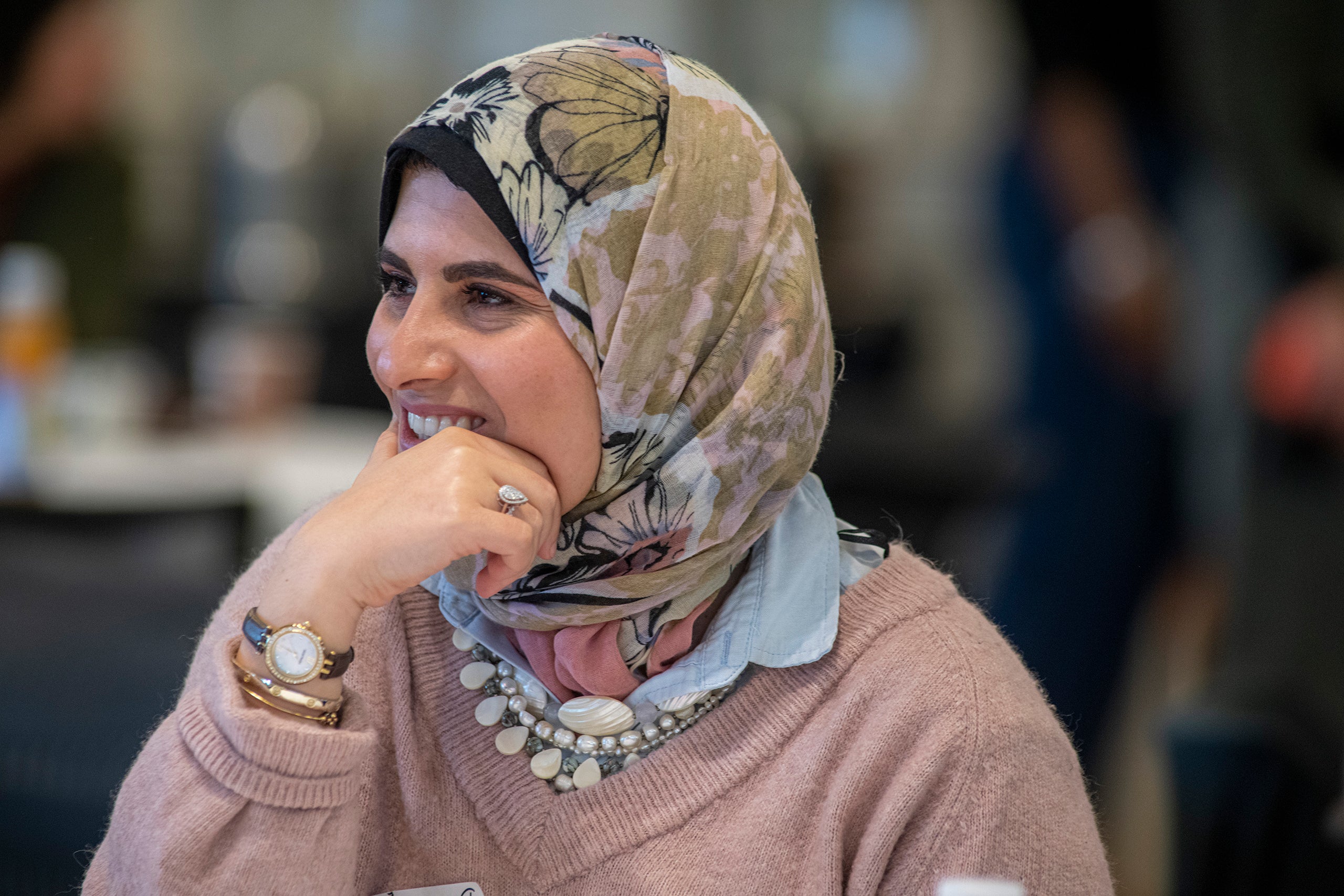
Unlocking the Power of Data: Pioneering Global Health Solutions in TB and Immunology Research
We asked Douaa Mugahid, a pivotal figure in research compliance and data management at the Department of Immunology and Infectious Diseases (IID), to share insights into her multifaceted role.
What we do
In our 13 state-of-the-art laboratories, our research delves into the basic pathogenic mechanisms that can pave the way for improved diagnostic tools, the development of vaccines, and new interventions for effective infection and disease prevention and control. We also focus on identifying new targets for antiviral and anti-parasitic drugs, enhancing our capabilities in combating infectious diseases.
Our department primarily addresses diseases prevalent in developing countries. We complement our laboratory-based research with field studies that explore the epidemiological and ecological facets of infectious disease transmission and control. This holistic approach often involves our faculty and lab members traveling to countries such as India and Malawi to conduct comprehensive fieldwork.

Team and Facilities
Our Department is home to 46 distinguished faculty members, including primary, secondary, adjunct, and emeritus professors, all supported by a dedicated team of over 100 research and lab staff and approximately 30 administrative staff, collectively committed to advancing our mission.
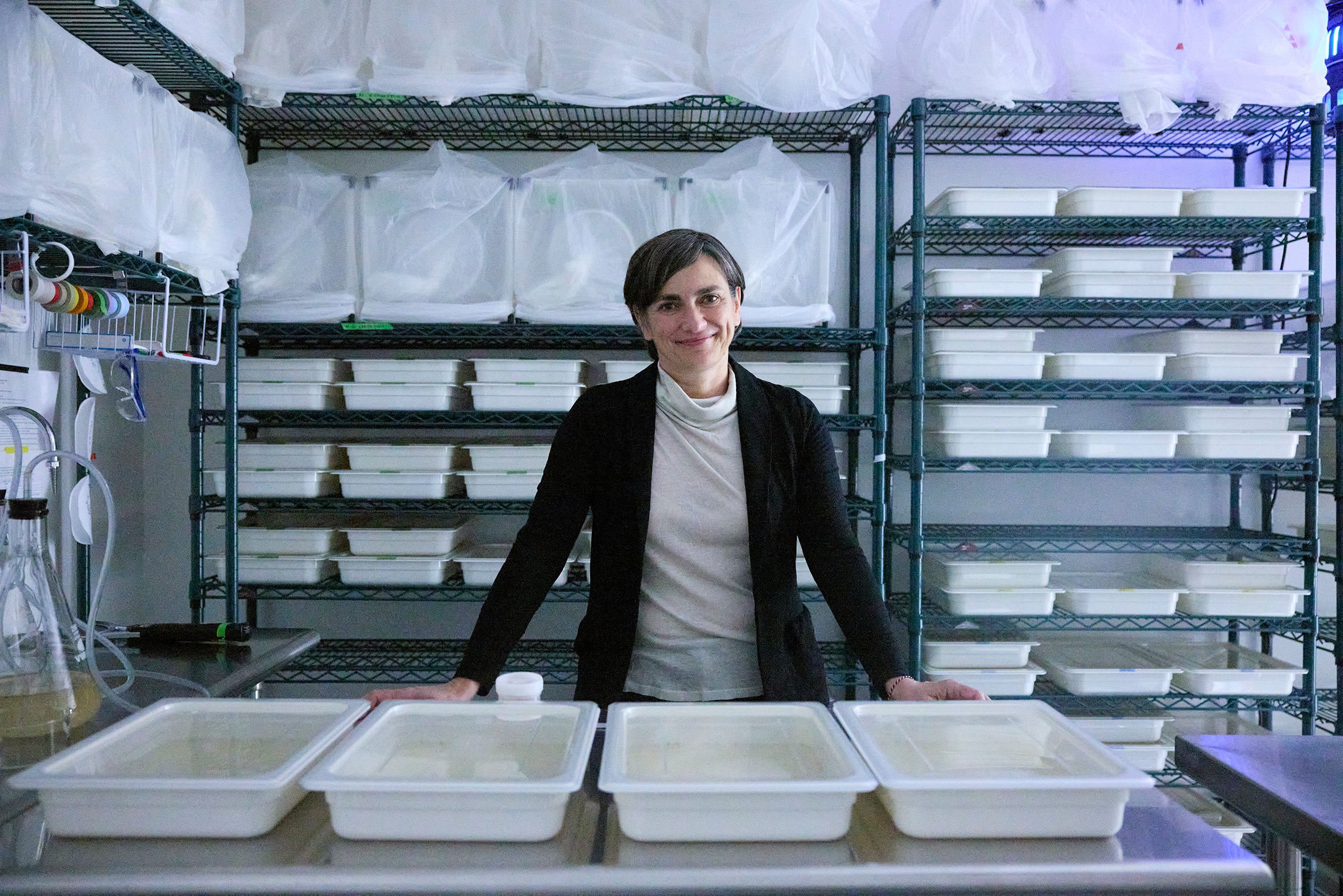
We are equipped with specialized facilities, such as a Gnotobiotic mouse facility, an Insectary, the HCSPH BSL3 Core Facility, and an Advanced BioImaging Center. Our operations extend across several Harvard Chan School buildings, with offices and laboratories on multiple floors of Building 1, Building 2, and the FXB Building. Additionally, faculty have access to workspaces at HMS and affiliated Harvard hospitals.
Through robust fieldwork and collaborations with international partners, IID actively engages with communities around the world, extending its global impact and ensuring our research effectively addresses international health challenges.
Discover the distinguished faculty and dedicated researchers of IID, driving global health advancements through their expertise and innovative research.
Meet the dedicated staff members of IID, whose expertise and support are vital to our department’s success in advancing research and education in immunology and infectious diseases.
Degree Programs

Degree Programs in the Department, the School and Beyond
Learn how the department provides a unique multidisciplinary training environment for PhD students.
Events
Upcoming Events
IID Initiatives
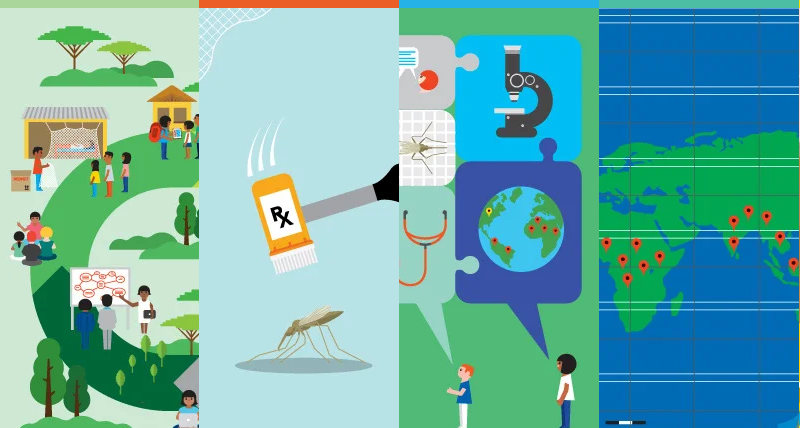
Defeating Malaria from the Genes to the Globe
Together with the global health community, Harvard University is committed to helping achieve the vision of a malaria-free world.