Office of the Dean
“Our mission here at Harvard Chan School is simple, but profound: We aim to build a world where everyone can thrive.”
— Andrea Baccarelli, MD, PhD, Dean of the Faculty
677 Huntington Avenue, Boston, MA 02115
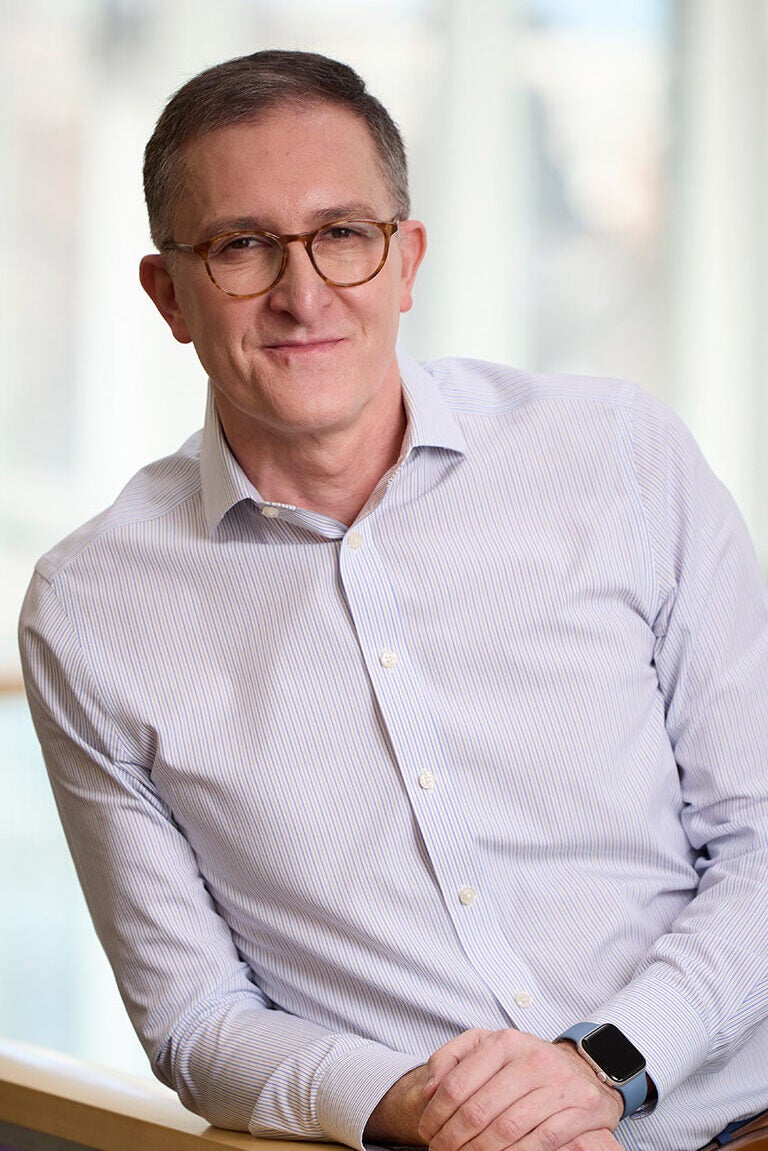
Welcome to the Harvard T.H. Chan School of Public Health
It is a tremendous honor to lead such an extraordinary community, headquartered in Boston but active and engaged all around the world.
Our student body is the heartbeat of Harvard Chan School, infusing our community with a spirit of inquiry and dedication that propels our mission forward. Diverse in background but united in purpose, our students are not just the leaders of tomorrow; they are agents of change today. As they learn from us, we learn from them: They challenge us to think bigger, reach further, and strive harder.
Our work together spans a broad range of disciplines, from molecular biology to behavioral science to clinical epidemiology, and much more besides.
Across these fields, our research findings often break new ground. What we do with those insights is just as important: We draw on them to guide public policy, promote healthy behavior, and forge collaborations to drive positive change in communities around the world. Throughout their academic journeys, our students and trainees have opportunities to engage in this hands-on work. They can see how it makes a difference.
Our mission here at Harvard Chan School is simple, but profound: We aim to build a world where everyone can thrive.
We’re fortunate to have an incredible network of faculty, trainees, students, staff, collaborators, supporters, and alumni committed to that goal, and dedicated to working across disciplines and continents to achieve it.
Harvard Chan School is a special community with a mission that deeply matters. Wherever you are, in whatever role you serve, I hope you’ll join us in building a healthier world.
Andrea Baccarelli, MD, PhD
Dean of the Faculty