Center for Health Communication
The Center for Health Communication defines, teaches, and shares best practices for communicating credible health information in an increasingly skeptical and fragmented world.
Who we are
We prepare public health leaders at Harvard Chan School and beyond to effectively communicate critical health information, influence policy debates, counter misinformation, and increase the public’s trust in health expertise.
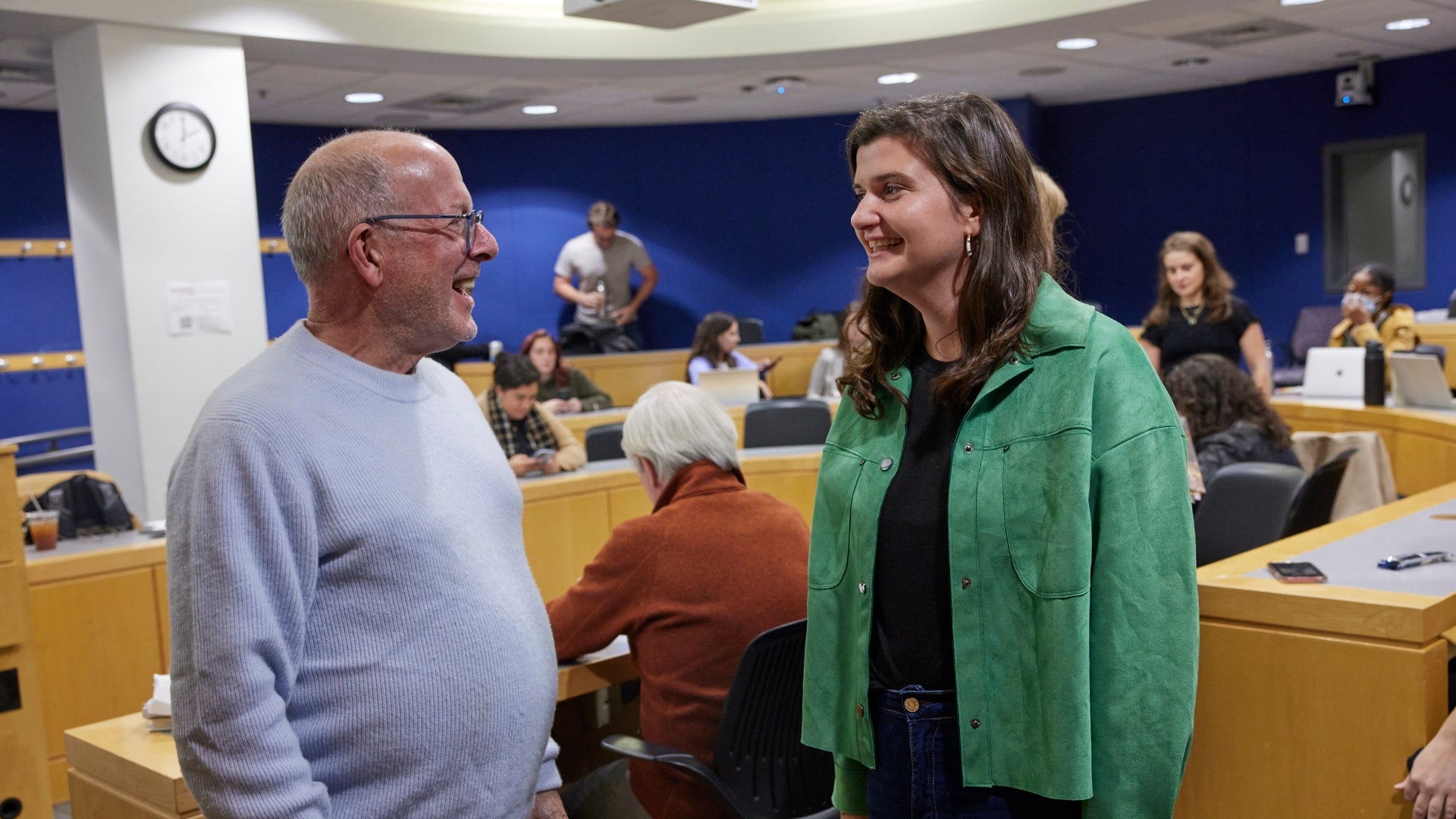
Through the Center for Health Communication, students, faculty, and staff at Harvard Chan School can access training and mentorship on key health and science communications skills: strategic communication, storytelling, social media, content creation, media relations, op-ed writing and pitching, climate change communication, and more. Many of these topics are covered in articles, videos, and worksheets in the Center’s publicly available Resource Library. Students can also enroll in courses such as “Engaging with the Press” and “Practical Communication Strategies and Tactics for Influencing a Healthier World” taught by the Center’s faculty affiliates.
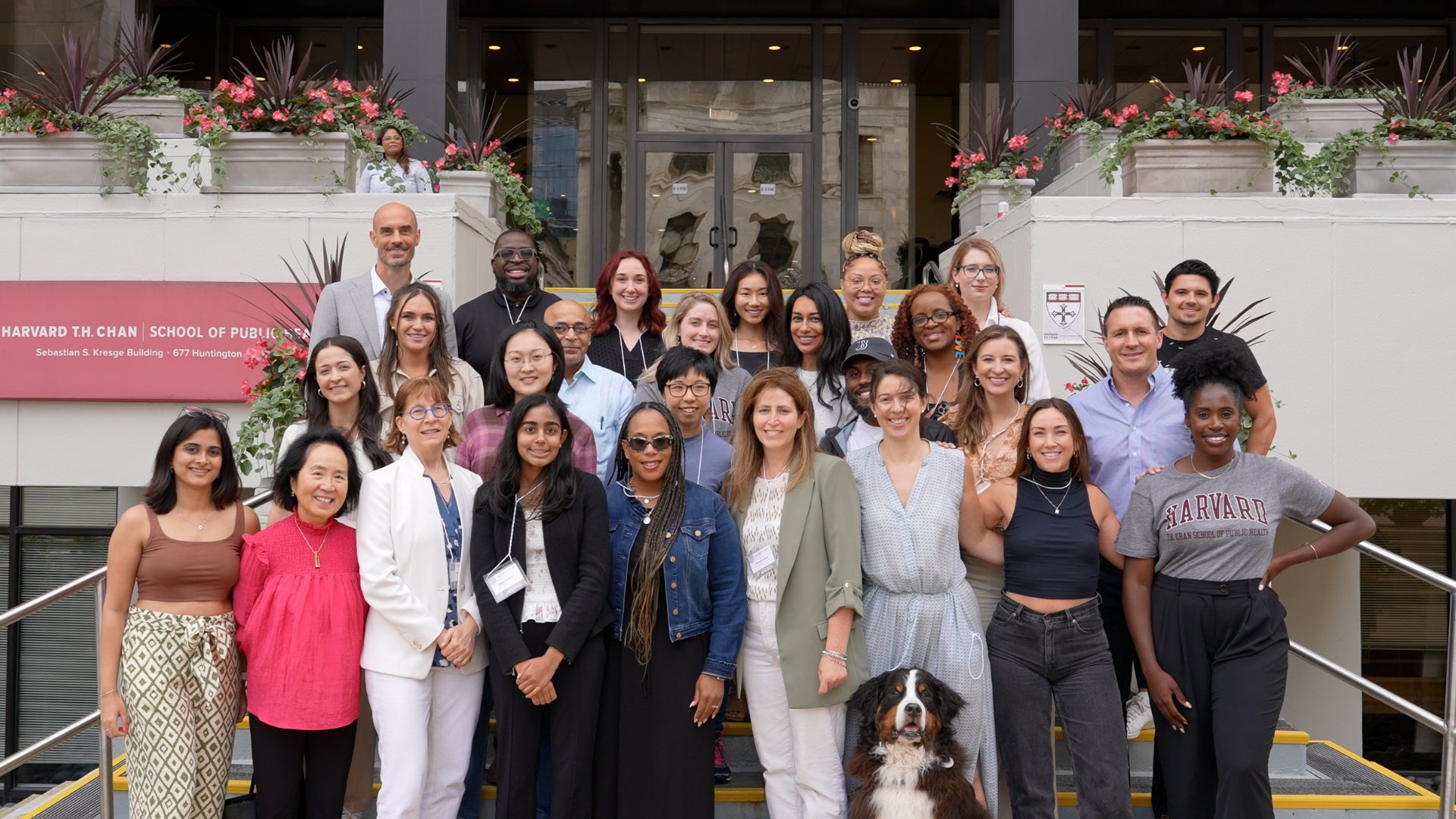
Under Amanda Yarnell’s leadership, the Center for Health Communication has placed special emphasis on engaging with today’s media gatekeepers. For example, the Center’s Creator Program welcomes creators who want to counter misinformation and spread evidence-based information about public health on TikTok, Instagram, and other platforms. The program connects them with cutting-edge research, policy ideas, and critical new resources in public health communication research. And it fosters collaboration and learning between them and Harvard Chan School faculty and students. The Center also conducts innovative, creator community-engaged health communication research into the effectiveness of such public health x creator partnerships.
What we do
Trust in US public health is at an all-time low, health misinformation is rampant, and more and more of us get health news and information online. In this environment, creators are uniquely positioned to support public health. Watched and trusted by millions, creators are poised to translate and disseminate health information. In doing so they can help make sure that all people—and young people in particular—have access to the health information they want and need, where they look for it. The Center for Health Communication’s innovative Creator Program, launched in 2023, inspires and equips social-media creators to counter health misinformation and spread evidence-based science to their communities of millions. Read more about the Creator Program and how to get involved.
The CHC works to publish and share practical resources for improving your communication skills. Explore our resource library to get access to free resources onadvocating for public health effectively, engaging with reporters and the media, protecting yourself online, strengthening your writing, and communicating about your work.
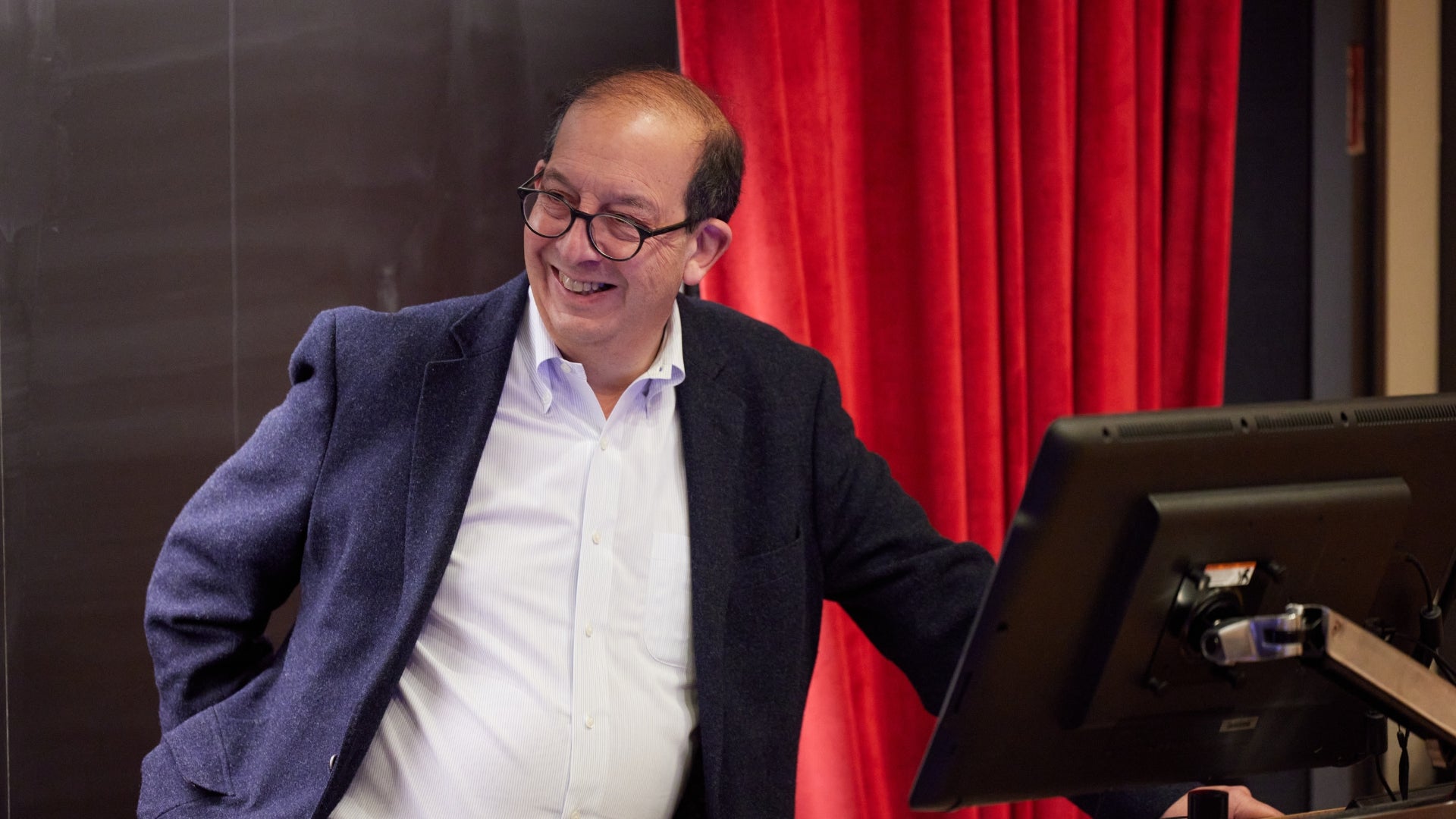
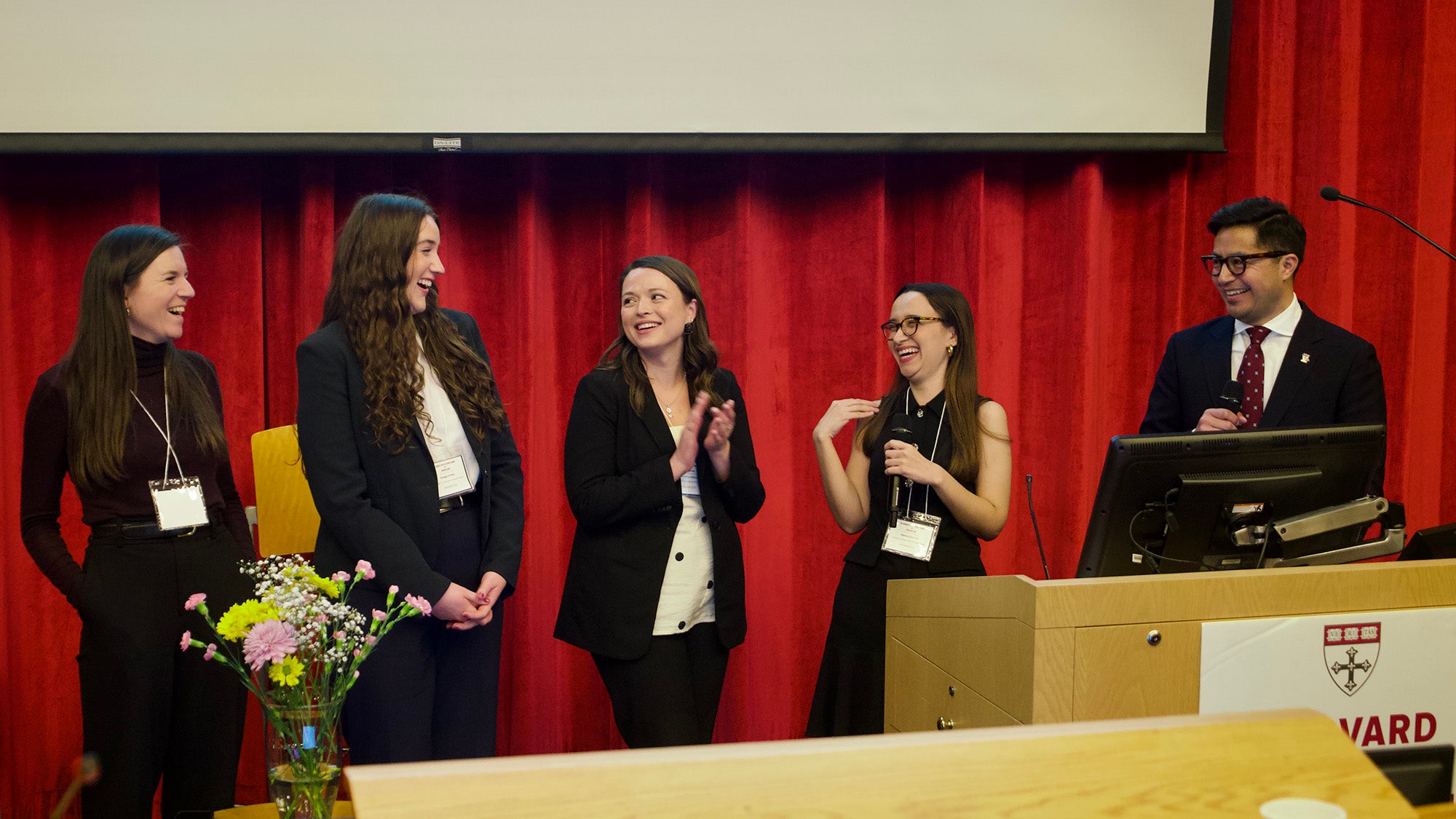
The Center for Health Communication at the Harvard T.H. Chan School of Public Health regularly hosts seminars, workshops, and other events to platform cutting-edge work in health and science communication and build community for health communicators. We also work to provide students access to coursework from leading experts, including communications expert, Andy Burness, and media executive, Dick Tofel. Browse our upcoming events and learn more about our regular offerings.
Each year thirteen journalists are selected for an intensive nine days and nights of training in Boston through the Health Coverage Fellowship. Journalists leave the fellowship with a notebook full of story ideas, a year’s worth of mentoring by veteran health journalist and fellowship director Larry Tye, and a new community of like-minded journalists. Learn more about the Health Coverage Fellowship.
Our research
In collaboration with creators and others working in the creator economy, we are studying how creators are reshaping health narratives and health behaviors—and what it means for society. We are currently working to answer several questions, including (1) How does exposure to evidence-based content toolkits affect creators?, (2) How does “influencing the influencers” affect the health beliefs and behaviors of their audiences?”, and (3) How can we make our supports more useful to creators.
Publications
Our Center in action