Office for Educational Programs

Professional Communication Seminar (PCS)

Professional Communication Seminar (PCS)
Helping you succeed at HSPH by sharpening your academic skills!
August 18–26, 2013


The learning environment at HSPH is designed to challenge everyone. It can be particularly demanding for international students, who often need to develop new learning strategies to participate in a wide range of activities and meet very different educational expectations.

 HSPH students need to be able to:

  • Participate in fast-paced classroom discussions
  • Create, lead, and take part in delivering individual and group presentations
  • Review research and public health literature on a variety of topics and evaluate    conflicting findings
  • Write papers that critically analyze scientific, ethical, economic and other issues and present evidence-based conclusions and recommendations
  • Manage their time effectively, in order to balance the very demanding workload with other interests and activities

The Professional Communication Seminar (PCS) is a public health academic skills program that is designed to help you succeed! Since 1995, PCS has helped hundreds of international students realize success at HSPH by sharpening their writ­ing, oral communication, time management, and critical thinking skills. PCS introduces students to both the School’s interactive style of teaching as well as to a network of other highly motivated students from around the world who will become good friends by the time courses begin.

PCS focuses on developing and strengthening the following skills:

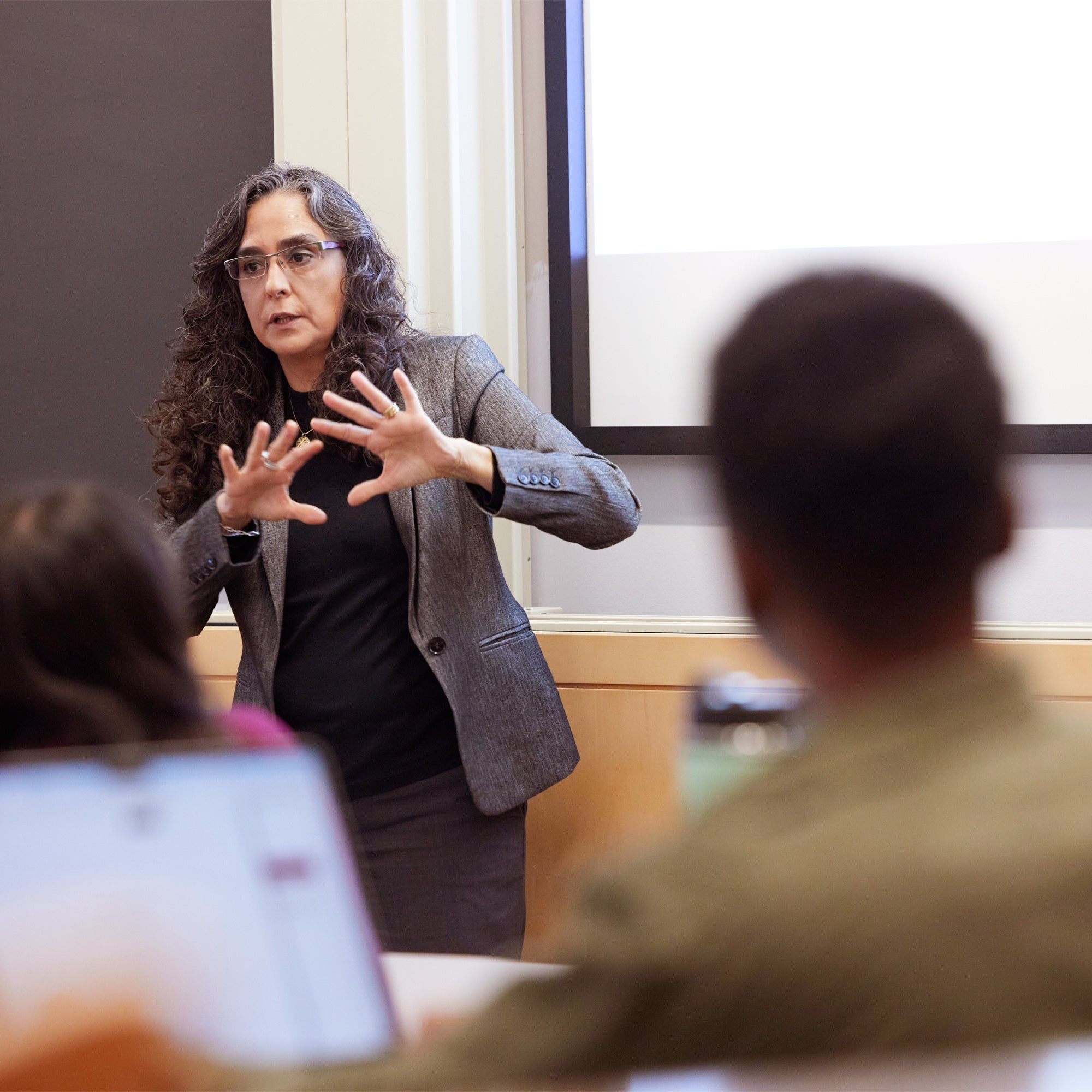
  • Classroom participation – Students learn strategies for participating in and dealing with the highly interactive, discussion-based HSPH classroom.
  • Public speaking – Through small-group practice sessions and individual conferences, students gain new presenta­tion skills and confidence in giving individual and group presentations.
  • Writing – Through exercises and individual conferences, students learn to revise their work for organization, clarity, and flow, and to present their conclusions as compelling evidence-based arguments.
  • Reading – Students learn to analyze the structure and content of articles quickly and accurately, so they can effectively manage the large number of reading assignments from many HSPH courses.
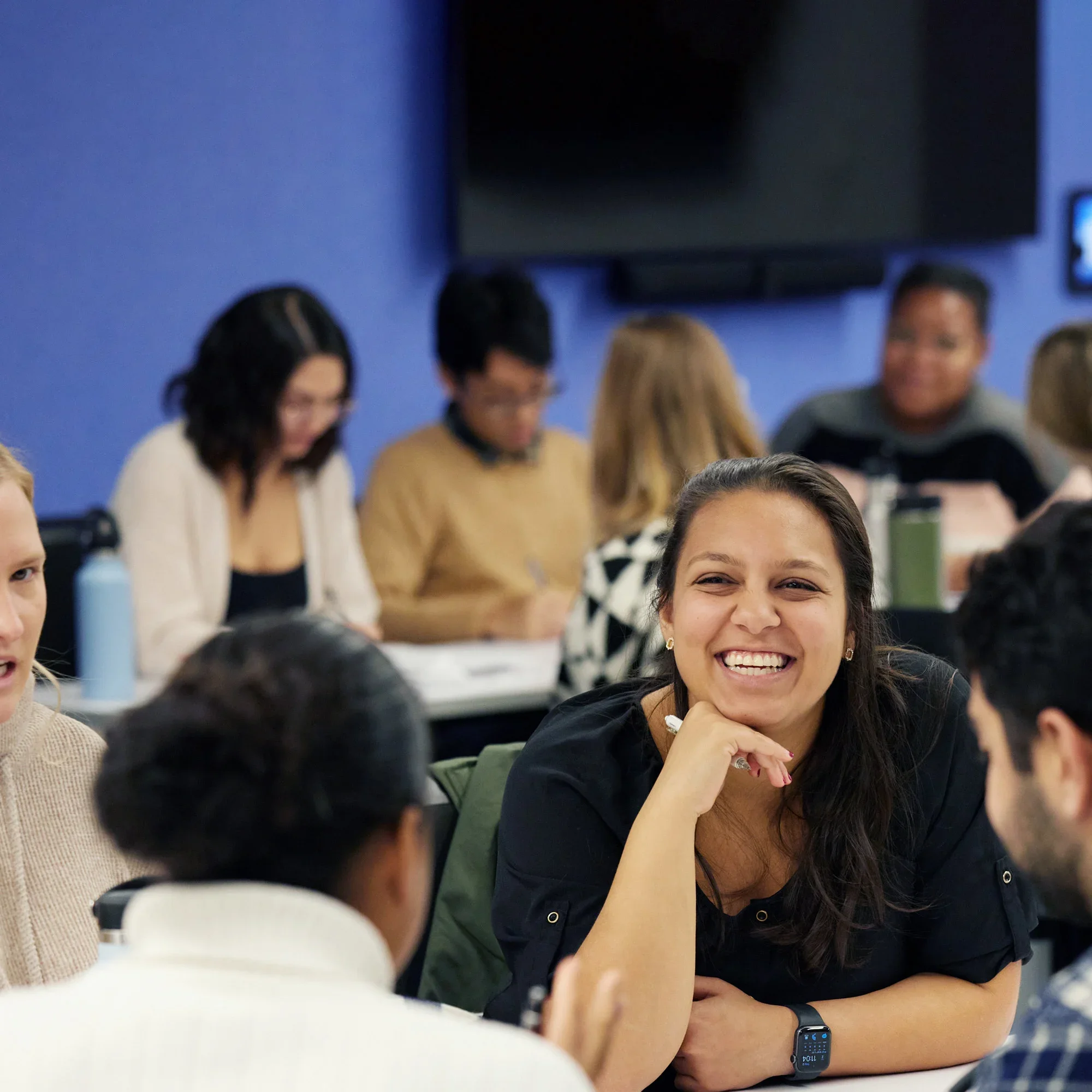
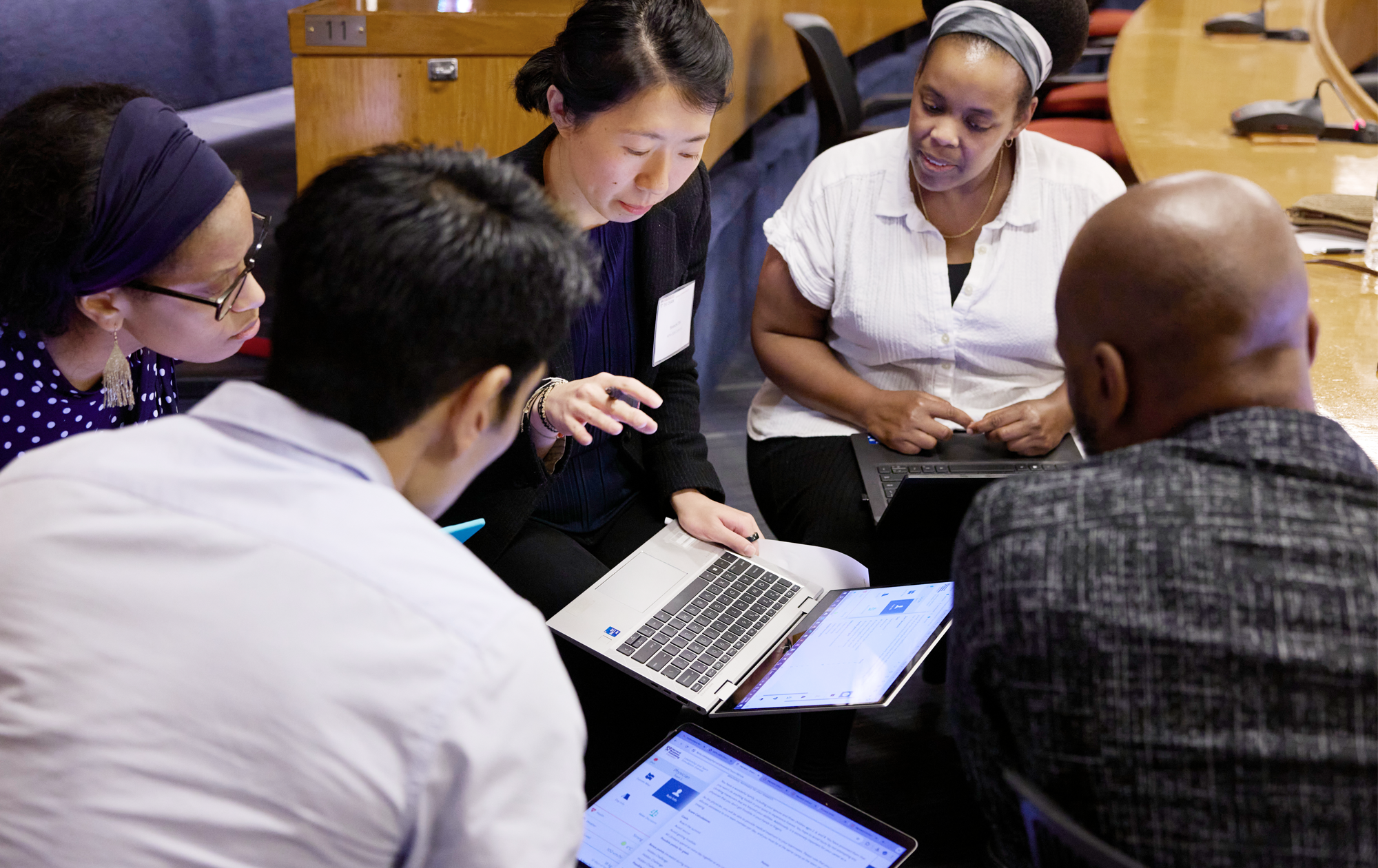
  • Working in small groups – By working together on public health issues, students learn to collaborate, negoti­ate, and solve problems.
  • Speaking and listening comprehension – Students improve their ability to discuss public health issues and understand rapidly spoken English through various classroom activities and during informal lunches with HSPH administrators and faculty.