


Rima Rudd Received Pfizer Health Literacy in Advancing Patient Safety Award
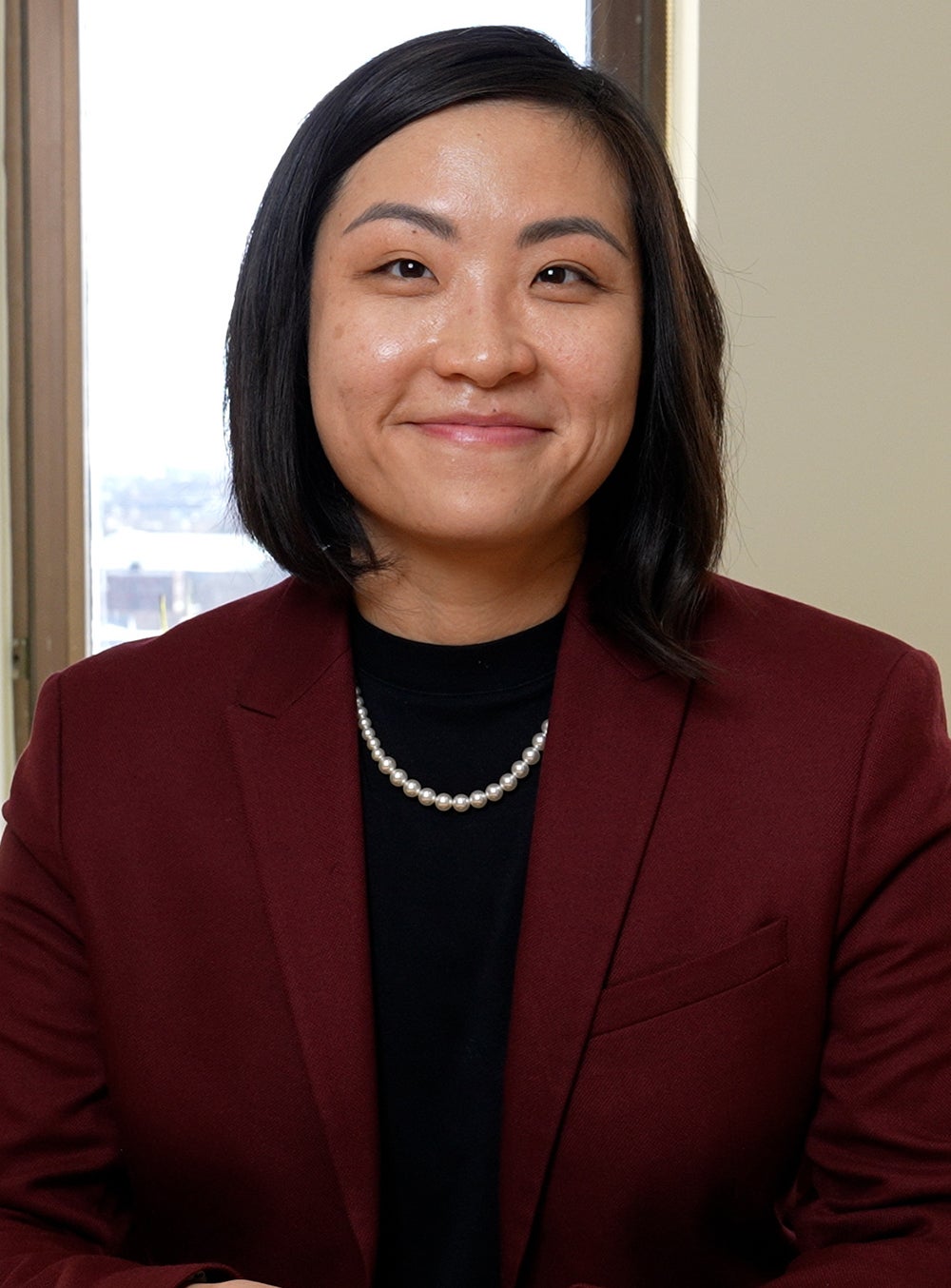
Studies have found that only half of all U.S. adults have sufficient literacy to understand health materials and navigate the health care system. HSPH Senior Lecturer Rima Rudd has been working to change that statistic. And her efforts were recently recognized by the National Patient Safety Foundation.
Rima Rudd
Rudd is one of the founders of the field of health literacy and helped put it on the national agenda. On May 22, she received the 2009 Pfizer Health Literacy in Advancing Patient Safety Award from the Partnership for Clear Health Communication at the National Patient Safety Foundation. The award “was established to recognize the critical importance of health literacy to advancing patient safety and quality of care, and to acknowledge those on the forefront of this essential work,” according to a press release. Michael Wolf, director of the Center for Communication in Healthcare at Northwestern University’s Feinberg School of Medicine, also was recognized.
Lack of health literacy threatens patient safety on a number of fronts, said Rudd. Patients may make mistakes in taking their medicines. They may miss appointments, get lost in a hospital, use unnecessary emergency room services, misunderstand an important health message, not properly take care of themselves and their families, and not engage in addressing environmental assaults on individual and community well-being.
The low literacy problem in the U.S. had been documented in a national survey in 1992 and again in 2003. Rudd re-coded results of the initial survey to analyze health-related activities and identified five levels of health literacy. She and colleagues at the Educational Testing Service found that about 19 percent of U.S. adults perform at or below the lowest level. Evidence points to huge health disparities between those with weak literacy skills and those with strong ones.
Rudd has been using such data to hold a mirror up to the medical profession.
She has spoken at health professional society meetings across the country and authored the action plan for health literacy for the Department of Health and Human Services’ “Healthy People 2010.” She also served on the Institute of Medicine committee that produced a 2004 report, “Health Literacy: A Prescription to End Confusion.”
The award refers to her ten years of research on literacy-related barriers in hospitals and health centers—what she coined the “health literacy environment”—and strategies for overcoming them, which she compiled into a guidebook.
Lack of health literacy threatens patient safety on a number of fronts, said Rudd. Patients may make mistakes in taking their medicines. They may miss appointments, get lost in a hospital, use unnecessary emergency room services, misunderstand an important health message, not properly take care of themselves and their families, and not engage in addressing environmental assaults on individual and community well-being.
She was inspired to address health literacy by her community-based work in health education. In working with construction workers in the 1970s to educate them about asbestos, for example, “we tried to use the actual language of construction workers and avoid the jargon of public health speech.”
It is key for medical professionals to maintain such bilingualism, she maintained: “We need to communicate well, not by talking down but by speaking simply and with respect.”
Numeracy, or understanding numeric data, is one component of health literacy that is getting increased attention, she says. Numeracy is essential to use measurement devices like the glucose monitor for diabetes control or the peak flow meter for asthma. It takes math ability to figure out what a 10 percent weight loss is.
“In public health, it is even more challenging because we talk of probability, likelihood, and concepts like risk, which we don’t explain very well to people,” said Rudd.
She said she’s seen the most improvement in written materials. Studies show that understandable materials have more white space, are clearly organized with headings, and put the most important things first.
Other communication strategies use traditional and new technologies. For example, a phone call 24 hours before a colonoscopy makes sure the person understands the preparation necessary. Or, text messages to kids remind them to take medicines.
“Yes, we have to improve literacy skills in this country,” acknowledged Rudd. “But in the meantime, we also have to take ameliorative action to put health communications more in line with people’s capabilities."
— Ellen Barlow. Photo by Suzanne Camarata.
HPH NOW