Email Share
Close
E-mail It

NOTE: Recipients' Email Address currently accepts only 5 email addresses separated by commas.

Harvard Public Health NOW

August 29, 2008

Postdoc Ulenga Tries to Unlock HIV Drug Resistance

Growing up in Tanzania, Nzovu Ulenga knew many people infected by the HIV virus. As a doctoral candidate at HSPH, he sought to understand the inner workings of that virus, with an eye toward helping develop ways to prevent infection as well as to slow the replication of the virus once it has invaded the body. Now, he is studying the problem of HIV drug resistance.

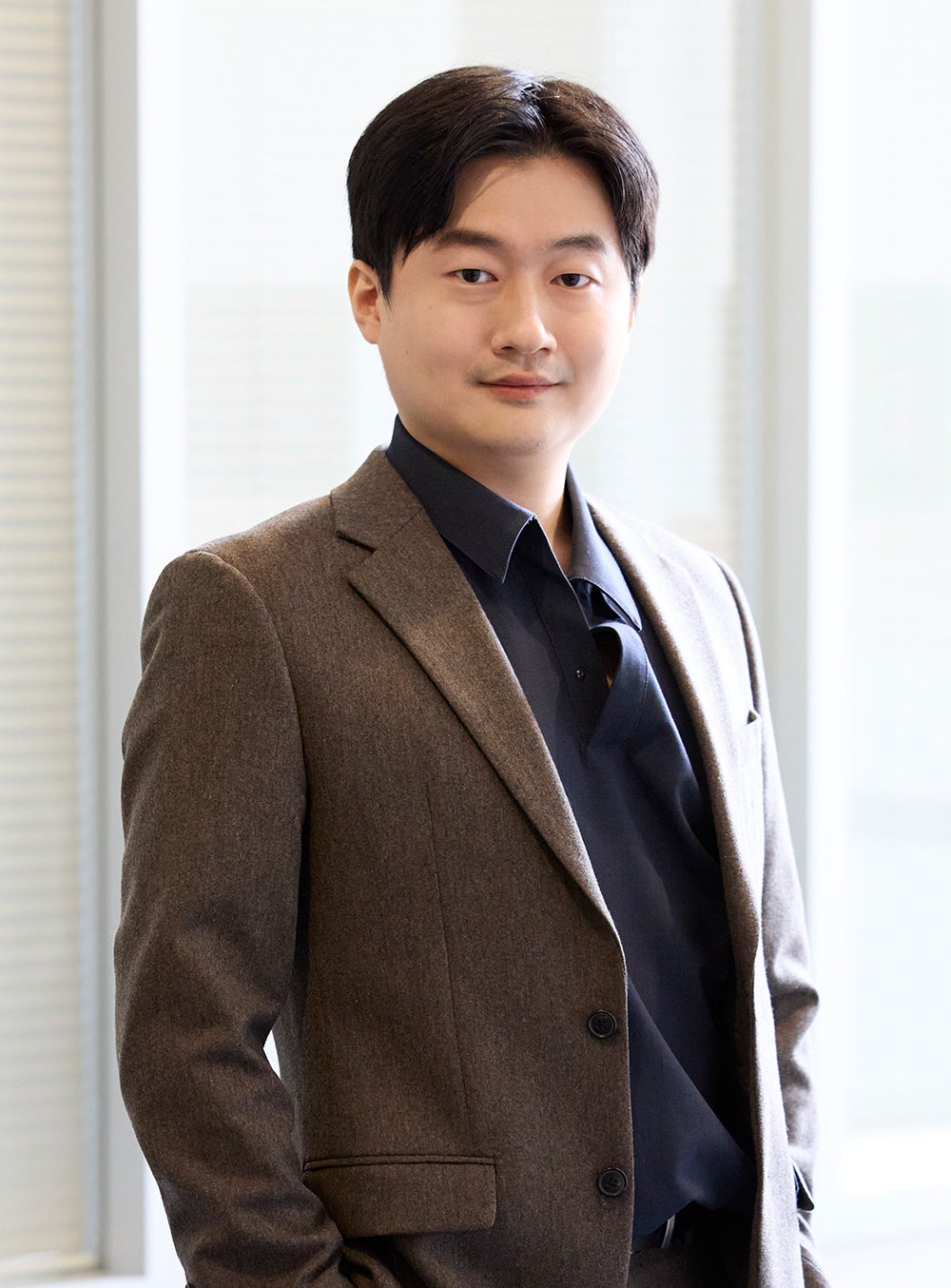
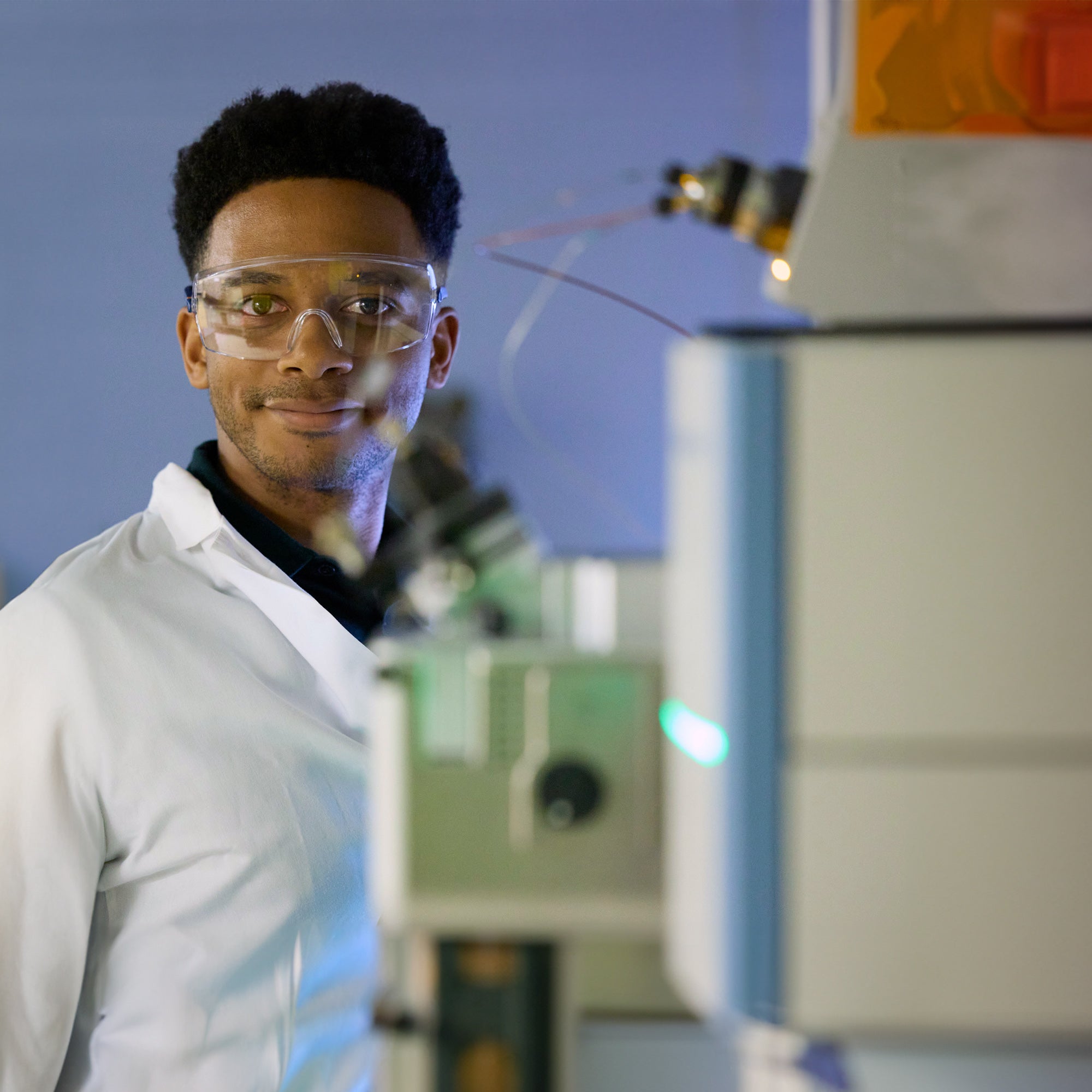
ulenga (Nzovu_Ulenga_36.jpg)

Nzovu Ulenga

"I know people who have been infected, and I've known people who have died of the disease," said Ulenga, now a postdoctoral fellow at the School. "I've always been interested in science, and I wanted to do science in a way that could be useful to solving public health problems."

Ulenga, who completed his PhD at HSPH last year, is the winner of the 2008 Edgar Haber Award in Biological Sciences, given annually by the Division of Biological Sciences in recognition of outstanding, original, and creative dissertation work that makes a fundamental contribution to the understanding of a biological problem important to public health. The other winner this year was Sloan Siegrist, who has become a postdoctoral fellow at University of California, Berkeley.

The late Edgar Haber was director of the Division of Biological Sciences and former chief of the Cardiac Unit at Massachusetts General Hospital. He was known for using novel technologies to improve the diagnosis and treatment of cardiovascular disease.

The focus of Ulenga's research as a doctoral candidate in Professor Phyllis Kanki's lab was to understand the pathogenesis of HIV. His work looked at examining the role of two proteins, APOBEC3G and APOBEC3F, in HIV pathogenesis. In vitro studies had shown both proteins were able to inhibit replication of the virus.

"This is not the kind of work my lab normally does, straying away from host immune responses and HIV viral variation, but he was really interested in it," Kanki said.

Ulenga published recently one study in the Journal of Infectious Diseases and is about to publish two more papers in other publications. The studies are the first to show the role these proteins play in vivo in people infected with HIV. Ulenga was able to characterize the relationship between HIV infection and the expression of APOBEC3G and APOBEC3F.

"Our conclusion was that the body responds to viral infection by increasing the amount of these proteins," he said. "This could be a mechanism to help prevent the rapid replication of the virus once an individual has been infected."

The information could possibly be used in the effort to find new ways to both prevent initial infection and to slow replication once a patient is infected, although Kanki said it is premature to say whether the findings will turn out to be directly applicable.

Future studies will seek to find out the mechanism through which the proteins inhibit HIV replication in vivo, Ulenga said.

In nominating Ulenga for the Haber award, Kanki said that his work "is an important achievement that will enhance our understanding of HIV replication, in addition to providing insight into new channels for disabling the HIV life-cycle."

Kanki noted that Ulenga worked independently on the design and implementation of his doctoral studies. "He is a strong and dedicated student with a great work ethic," she said in her nominating letter.

Now that his doctoral work is completed, Ulenga is continuing to work in the Kanki lab, where he is currently focused on the issue of HIV drug resistance. The work has taken him to Nigeria, where he helped train lab workers in methods to measure drug resistance. In the future, he may return to Tanzania to set up a molecular biology lab with the Harvard PEPFAR program, Kanki said.

Kanki said Ulenga's work is particularly notable because it goes beyond basic science. "He has been doing basic science work on organisms that are important to the developing world, and now he is doing more applied work using technology and skills learned from his basic science research,' she said.

"Analyzing people's virus to see if they have developed drug resistance is very important," she said. "It's important from a global point of view and on the individual level. This knowledge helps decide what drugs people can take. Hospitals in the U.S. do this routinely, but there are only a few labs in Africa that can do this. His interest is to take what we know about drug resistance and develop a quick test for specific mutations that we think are the most important for clinical decisions. This is the sort of new technology that he is trying to work on, taking advantage of his basic science background.'

Ulenga, who received his bachelor of science degree in biochemistry from Brown University in 2003, said he was a studious child growing up on a farm in Tanzania. His interest in science was sparked during his high school years in Hong Kong, where he studied chemistry, biology, and physics as a United World College student.

Ulenga said he was attracted to the Biological Sciences in Public Health program at HSPH because it links bench science with public health.

As for his future career, Ulenga said he is unsure what he will focus on, but said that he is certain it will revolve in some way around global health.

—Michael Lasalandra. Photo by Suzanne Camarata. 

Get Updates from Public Health Experts

I would like to receive Choose at least one