image image Harvard Public Health NOW
image

Search Archives
image
April 1, 2005
Lessons from December Tsunami Revealed at Lecture

Physician Gives First-Hand Account of Aftermath

image
Destruction was rampant in Aceh Province, Indonesia
The tsunami that swept through 11 countries in Southeast Asia and east Africa on December 26, 2004 has meted out new lessons for humanitarian assistance, said HSPH experts in international disaster response at a March 10 symposium in Snyder Auditorium. The event’s webcast is archived at http://www.hsph.harvard.edu/video/.

"In every disaster, we learn something new," said Jennifer Leaning, professor of international health in the Department of Population and International Health and director of the Program on Humanitarian Crises and Human Rights at the François-Xavier Bagnoud (FXB) Center for Health and Human Rights.

The tsunami may have been impossible to prevent. Yet, the speakers pointed out that people have made themselves increasingly vulnerable to natural disasters by living in susceptible habitats.

image
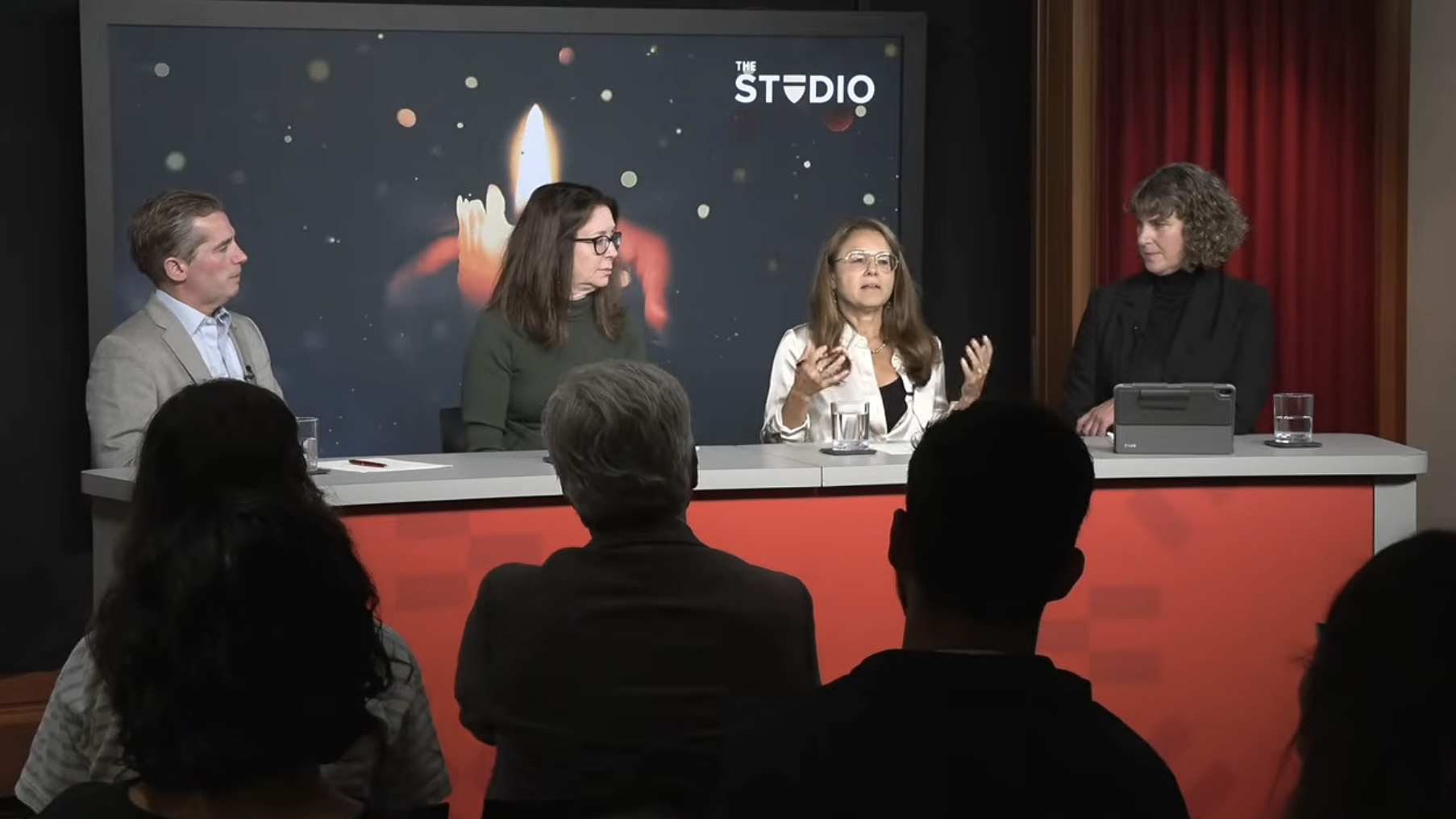
From left to right, Michael VanRooyen, Jennifer Leaning, and Hilarie Cranmer at the HSPH lecture
The panelists offered some insight into coping with the aftereffects of large disasters.

On the morning of the disaster, a magnitude 9.3 earthquake hit off the coast of Sumatra. The resulting surge of water traveled 500 miles an hour, flooding and wrecking coastal areas, causing widespread death and injuries, displacing tens of thousands, and wiping out homes and livelihoods. On March 28, the area was rocked by another powerful earthquake, measured at a magnitude of 8.7, but a large tsunami failed to materialize.

In some ways, the December 26 tsunami had the features of a classic natural disaster, Leaning said. The acute crisis stage was mercifully brief. The short-term needs of the survivors–water, sanitation, food, shelter, and medical care–were straightforward, although workers faced staggering logistics of reaching people after roads and bridges were destroyed.

In other ways, the tsunami shared characteristics with other major models of humanitarian relief efforts–namely, war. The intensity, geographic extent, and demographic scope were akin to a major armed conflict, Leaning said. Similarly, the tsunami is expected to have long-term economic and social effects.

"The tsunami borrows from both [natural disaster and war models] in a singularly bad way, which created one of the biggest challenges facing the humanitarian community in recent times," Leaning said.

image
Simple filtration methods using chemical packets and cloth helped clean crucial water supplies.
More than just governments, relief workers, and military units were called to action in the tsunami aftermath. The media played a key role in drawing and keeping people’s attention on the disaster, with at least 35,000 stories published by the end of February, according to a survey of 200 English-language newspapers by Reuters AlertNet.

That attention helped drive public perception of the depth of the disaster, said Michael VanRooyen, associate director of the Program on Humanitarian Crises and Human Rights at the FXB Center and chair of the Division of International Health and Humanitarian Programs at Brigham and Women’s Hospital Department of Emergency Medicine.

Coverage, among other things, spread the word that people who wanted to help should donate money, not food and clothing.

"It’s not enough to want to help," said VanRooyen. "You have to do so intelligently and appropriately."

Yet, media coverage can have its shortcomings, such as perpetuating the myth that disasters are random killers, when they actually disproportionately affect the poor and other vulnerable groups. "Mobilizing and moving things quickly in event of disaster is important, but prevention is key in all of this," VanRooyen said. "Let’s look at the root causes of the vulnerability of populations and how we can improve our ability to mitigate those."

Coverage can also typically miss the heroics of people in communities directly hit, shedding too bright a spotlight on well-intentioned international aid workers.

"Local efforts are often undertaken long before the international community can mobilize a response," VanRooyen said. "We might do some good work, but the real heroes come from the local community. They take responsibility and act generously. They pull people out of the rubble. They drag people out of the water. They save each other."

In fact, local health staff provided the crucial link to the community for Hilarie Cranmer and her International Rescue Committee (IRC) team during the month they spent in Aceh Province, Indonesia, the most densely affected region, where more than 107,000 people died.

Many of the staff had lost family members, "but they came to work every day," said HSPH alumna Cranmer, an attending physician and clinical instructor in the Division of International Health and Humanitarian Programs at Brigham and Women’s Hospital Department of Emergency Medicine.

image
Massive flooding piled up debris.
In their first week, Cranmer’s team concentrated on water, sanitation, shelter, and rapid health assessments. They trained people to filter water and to build latrines a safe distance from wells and water supplies.

Cranmer eventually saw hundreds of cases of diarrhea and respiratory and skin infections, typical of overcrowded conditions, but her first patient was a child with a fever, rash, conjunctivitis, and cough–measles. The discovery was worrisome. It only takes one case of measles to define an epidemic, she said, because the disease is so contagious. "One case can mean hundreds, if not thousands, of cases," she said. "When kids get measles in crowded conditions, one in every four children can die in camp."

She started an ad hoc vaccination campaign, first informing the Indonesian health minister and then the World Health Organization (WHO). The local Indonesian health department had the necessary cold storage and limited supplies. Cranmer and her team provided personnel and additional supplies to vaccinate 2,000 children. On the day that she left, WHO and UNICEF were sitting down to develop an overall vaccine strategy for the affected regions.

Although the media attention has died down, the longest, most complex phase of recovery still lies ahead. "Restoring boats and the capacity to fish and farm are very important right now," Leaning said. "It requires a fine-grained understanding of social connections and networks in communities. We know very little about how we can translate the goodwill and money gathered."

--CCM


Harvard Public Health NOW is published biweekly by the
Office of Communications
Harvard School of Public Health
665 Huntington Ave., SPH 1-1312
Boston, Massachusetts 02115
617-432-6052
Editor and Layout: Christina Roache
Contributing Writer: Paula Hartman Cohen, Carol Cruzan Morton
Photos Credi
ts: Suzanne Camarata, Hilarie Cranmer, R. Moresky, Graham Ramsay

Archived Issues || HSPH Home

Copyright, 2007,  President and Fellows of Harvard College

Lessons from December Tsunami Revealed at Lecture Actress Sharon Stone Visits HSPH to Learn about International Work in HIV/AIDS Prevention Office of Communications Archived Issues Around the School Calendar Exams and Defenses Health Care Workforce Needs Better Diversification, Say Panelists at Annual Hinton Lecture Featured Event with NIH Director Elias Zerhouni and IOM President Harvey Fineberg