
image image Harvard Public Health NOW
image

Search Archives
image

Associate Professor Emerita Frisch Publishes First Book on Link Between Female Fertility and Body Fat

Female Fertility and the Body Fat Connection
 
Rose E. Frisch, associate professor of population sciences emerita at HSPH and a member of the research faculty at the Harvard Center for Population and Development Studies, has published Female Fertility and the Body Fat Connection (The University of Chicago Press), the first book on the topic.

Female Fertility and the Body Fat Connection describes how body fat links together food intake, diet, levels of exercise and reproduction.

The book includes a Foreword by Robert Barbieri, Kate Macy Ladd Professor of Obstetrics, Gynecology and Reproductive Biology, Harvard Medical School, and chair of the Department of Obstetrics and Gynecology and Reproductive Biology, Brigham and Women’s Hospital.

Writes Barbieri: "This book will be immensely helpful to women who want to know the connection between diet, exercise, and body fat with changes in their menstrual cycle, estrogen production, risk of infertility and risk of disease such as breast cancer and osteoporosis. The body fat connection is a major determinant of our individual health and the health of the women in our country."

For more than 30 years, Frisch has researched her finding that a critical body fat level in women is necessary for successful reproduction and the onset and maintenance of normal menstruation cycles and ovulation. She proposes that body fat is the cornerstone to women’s reproductive health.

For example, menarche, or the first cycle, is closely related to achieving a critical weight, representing a critical body composition. In Female Fertility and the Body Fat Connection, Frisch explains the connection and includes a figure that shows the minimum weight necessary at a particular height for the first cycle. Thus, she explains the factors controlling puberty.

The book includes a similar figure that shows the heavier minimum weight necessary at a specific height for the restoration and maintenance of menstrual cycles in grown women.

A molecular link to help explain Frisch’s findings was provided in 1994 by Jeffrey Friedman at Rockefeller University with the discovery of leptin, a protein hormone made by fat cells in both women and men that is linked to sexual maturation in humans and mammals.

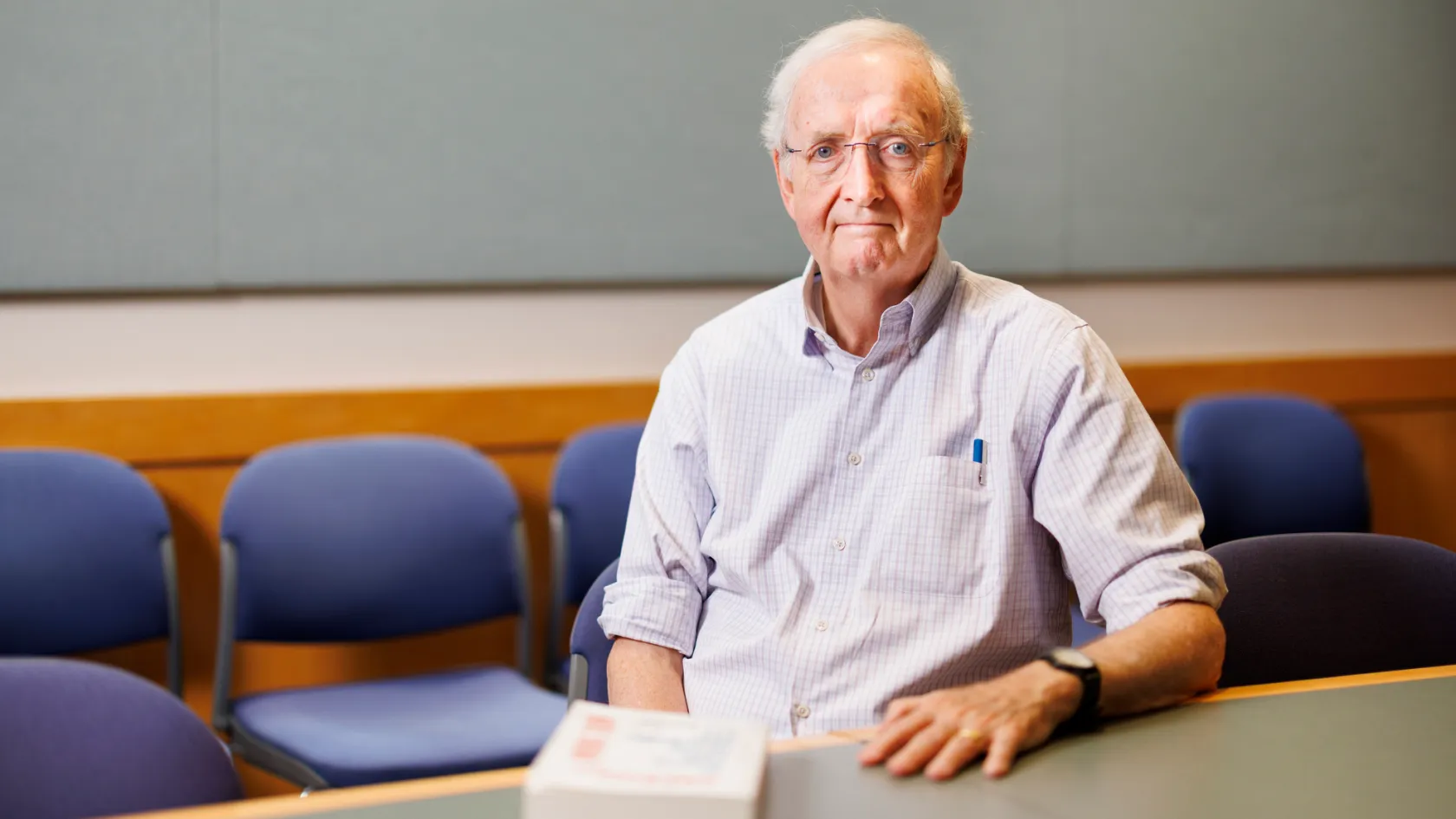
Rose E. Frisch
Rose E. Frisch
Research has shown that increases and decreases in hormones necessary for ovulation and menstrual cycles accompany gains and losses in body fat. The hypothalamus in the brain secretes gonadotropin-releasing hormone, setting off an hormonal cascade that results in ovulation or menstruation in normal women. In too thin or too lean women, the brain signal is abnormal, causing the cessation of periods or ovulation. The effect is reversible with weight gain after varying periods of time. The hypothalamus, part of the brain, has receptors for leptin.

Even small changes such as the gain or loss of five pounds around the critical weight for the onset, restoration or maintenance of cycles can make a difference.

In the book, Frisch discusses other links between fat and reproductive ability: body fat makes estrogen, and the degree of fatness affects the metabolism of estrogen, as shown by magnetic resonance imaging of body fat of athletes and control subjects.

Intensive exercise can affect the regularity and maintenance of cycles. For example, fluctuating body fat levels can start and stop periods in ballet dancers. In a 1980 New England Journal of Medicine paper, Frisch, Grace Wyshak, associate professor of psychiatry at HMS and associate professor in the Departments of Biostatistics and Population and International Health at HSPH, who has enjoyed several collaborations with Frisch, and Lawrence Vincent, MD, described the menstrual problems of young ballet dancers. Dancers with absent or irregular cycles were leaner than those with regular periods, and the ones who had never had a period were the leanest of all.

Frisch went on to study female college athletes. Like the ballet dancers, the athletes reached menarche at older ages than the average population. Those who began training before they had gotten their first periods had their menarche delayed by more than two years past the average age experienced by the general population. Those who started training after menarche did not differ from the general population in that age.

In the first-ever study of the health of women alumnae in the US, which included 5,398 women, Frisch, Wyshak and colleagues showed that female former college athletes who had engaged in moderate, regular exercise had a lower lifetime risk of breast cancer and other reproductive system cancers when compared to their sedentary classmates. They also had significantly less late-onset diabetes and no increase in bone fractures.

The book addresses fatness and fertility in relation to population growth. Frisch shows that female fecundity (the ability to reproduce) is adversely affected by undernourishment and strenuous physical work. For example, populations in developing countries often had seven living children: menarche was late, menopause was early and the birth interval was long. In contrast, well-nourished groups like the non-contracepting, religious Hutterites, marrying five years later, had 11 to 12 children: menarche was earlier, menopause was later and the birth interval was shorter. Therefore, when there are the hoped-for improvements in socioeconomic levels, women in developing countries will need more modern family planning to limit their family number, space their children and protect their reproductive health.

Frisch points out that fat is the most labile tissue in the body responding to environmental influences. She thus describes mechanisms, making a neat connection to reproduction.


Harvard Public Health NOW is published biweekly by the
Office of Communications
Harvard School of Public Health
665 Huntington Ave., SPH 1-1204
Boston, Massachusetts 02115
617-432-6052
Editor and Layout: Christina Roache
Photos Credits: Richard Chase, Christina Roache, Bachrach Studios, University of Chicago Press


Archived Issues || HSPH Home

Copyright, 2007,  President and Fellows of Harvard College

Archived Issues HSPH to Launch ‘Great Place to Work’ Survey of Employees Kapiga Confirms Genital Herpes Implicated in HIV Susceptibility, Other Factors’ Roles Reinforced Around the School Exam Calendar Fresh from NYU Campus in Italy, New Director of Student Affairs Starts at HSPH International Night Draws Lively Crowd Exams and Defenses Around the School HSPH Commencement Survey Helps Government Understand Americans' Attitudes about Smallpox Vaccinations Summer Course to Draw Health Care Officials and Professionals from Developing Countries Calendar Archived Issues Office of Communications