


image image Harvard Public Health NOW
image

Search Archives
image

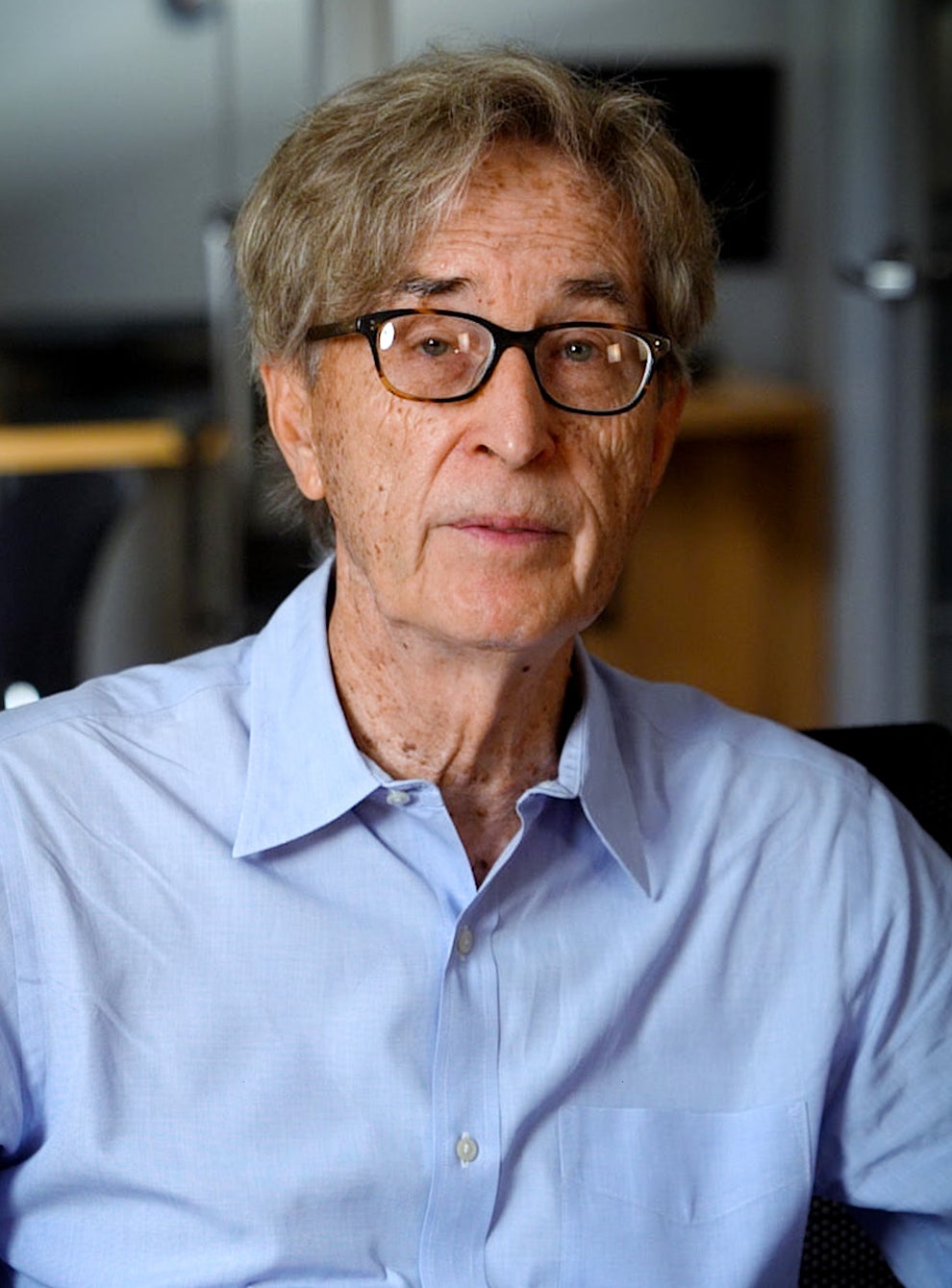
Stephen Marks Reviews US Civil Liberties and Human Rights

Since the September 11th attacks on America, a lively debate has taken place about possible threats to human rights and civil liberties in the US as the country attempts to tighten homeland security. Those concerns were heightened last week as President George Bush signed into law the "USA PATRIOT Act," a sweeping anti-terrorism bill giving law enforcement agents broader surveillance power of suspected terrorists. Stephen Marks, François-Xavier Bagnoud Professor in the Department of Population and International Health, and director, François-Xavier Bagnoud Center for Health and Human Rights, recently spoke to Harvard Public Health NOW about the aftermath of September 11:

People have been confusing what would be termed conveniences with civil liberties and human rights, said Marks. Conveniences are among the perks that come with living in a free and open society, such as not carrying an ID.

Civil liberties, or civil rights, are constitutional restraints on government, guaranteed by the US Constitution and protected by the courts.

Human rights are related to, but different from, civil liberties, explained Marks. Human rights are international standards of treatment of individuals and groups defined principally in the International Bill of Human Rights, consisting of the Universal Declaration of Human Rights adopted in 1948 and two international covenants of 1966. Some of these rights can be legitimately restricted, he said. Take restrictions on freedom of movement and residence in response to an epidemic or on freedom of association to protect against groups that endanger national security. However, he added, these restrictions must be necessary in a democratic society, applied in a non-discriminatory way, be consistent with law, and be subject to review by the courts.

The "USA PATRIOT Act" touches upon human and civil rights issues. It expands the authority of law enforcement agencies to tap multiple phones and to monitor e-mail and Internet communications.

"I have no objection to federal agencies directly involved with protecting us against terrorism having access to telephone or Internet communication of suspected terrorists," said Marks. "However, this law is a potential threat to privacy in three ways: First, it allows the Foreign Intelligence Surveillance Court to authorize, in secret meetings, roving wiretaps that would allow investigators to monitor any phone or computer a suspected terrorist has used. Second, while the law is supposed to provide for the equivalent of a ‘pen register,’ that is, only listing the numbers called or the Internet addresses used ("transactional information"), the FBI will have access to the entire Internet message, and we are asked to trust that it will only use the transactional information and not the content. Third, the standard for authorizing wiretaps is lowered from probable cause, as in criminal investigation, to foreign intelligence as a ‘significant’ purpose of surveillance."

The treatment of aliens under the new law also raises serious problems, said Marks. The act allows people certified by the Attorney General to be terrorists or to be "engaged in any other activity that endangers the national security of the United States" to be detained without charge for up to seven days, after which they may be deported or charged and held indefinitely (renewable every six months) if their release "will threaten the national security of the United States or the safety of the community or any person."

The problem, said Marks, is that there is no hearing about the grounds of the Attorney General’s certification nor limitation on the total period of detention. The risk is that non-Americans merely suspected of terrorism involvement may be detained arbitrarily, which is a human rights violation, said Marks.

"Not allowing someone to enter the US is not, in and of itself, a human rights violation, but for those of us who favor the continued enrichment of our population, immigration policies, including those applied to foreign students, are likely to move in the wrong direction, and that is regrettable," said Marks.

He continued, "We want to catch terrorists for past acts and prevent future ones, and law enforcement needs adequate tools, which is the purpose of this law. However, even suspected terrorists have human rights, and the tools used must not reduce the protection of the rights of everyone, citizen or not, below the level required by international human rights treaties."

Racial profiling is another issue. Heightened vigilance of people must be consistent with human rights, said Marks, adding that it is to the credit of the new law’s authors that the text includes "civil rights and civil liberties of all Americans, including Arab Americans, Muslim Americans, and Americans from South Asia, must be protected, and that every effort must be taken to preserve their safety."

The new law also says, "When American citizens commit acts of violence against those who are, or are perceived to be, of Arab or Muslim descent, they should be punished to the full extent of the law." Observed Marks, the new law does not refer to non-Americans, and that is where international human rights standards supplement constitutional rights.

A positive element of the new law, he said, is the four-year "sunset provision," which would make its authority lapse if Congress decides the law should not be renewed.

The post-September 11th period has fostered much talk in the US about the necessity of balancing security with civil liberties and human rights. In such a climate, said Marks, Americans must not sacrifice the rights that define their freedom.


Harvard Public Health NOW is published biweekly by the
Office of Communications
Harvard School of Public Health
665 Huntington Ave., SPH 1-1204
Boston, Massachusetts 02115
617-432-6052
Editor and Layout: Christina Roache
Photos Credits: Richard Chase, Kent Dayton, Christina Roche


Archived Issues || HSPH Home

Copyright, 2009,  President and Fellows of Harvard College

Archived Issues Office of Communications Symposium Panelists Discuss Public Health in New Era of Bioterrorism Around the School Exams and Defenses Calendar