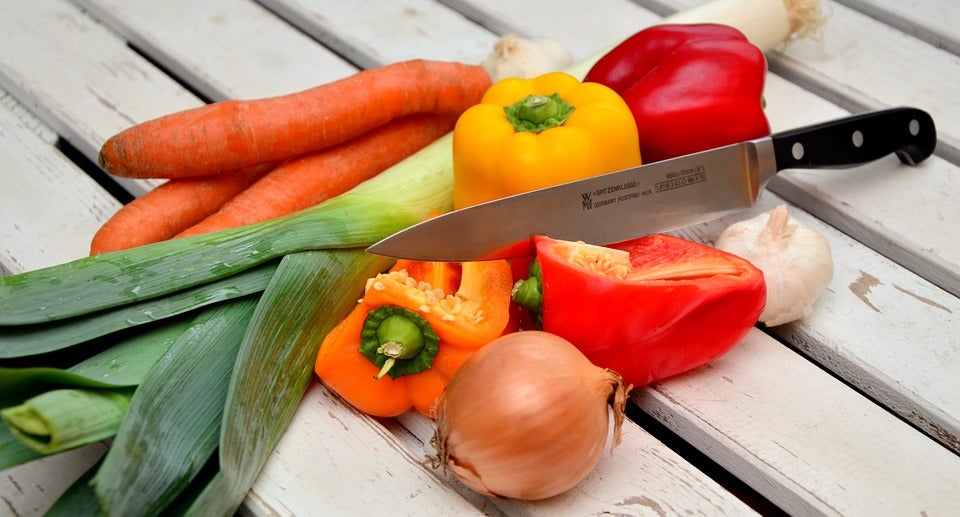
It’s one of the first steps toward bettering the food environment: making healthy foods and drinks more convenient and affordable. What’s equally important: limiting access to high-calorie, low-nutrient foods (also known as “junk food”) and sugary drinks. Since public buildings and facilities serve people of all ages and backgrounds, setting nutrition standards for food offered in public places or purchased with tax dollars can have an especially broad impact.
Here is a summary of recommendations for making healthy foods and drinks more convenient, available, and affordable in places that serve the public. It’s based on a review of expert guidance from the Centers for Disease Control and Prevention, the Institute of Medicine, the American Academy of Pediatrics, and others. For more detailed guidance on these recommendations and ideas for putting them into practice, explore the source list and the links to other resources. Other sections of The Obesity Prevention Source give specific recommendations for families, childcare centers, schools, worksites, and healthcare facilities on how to create healthy food environments.
Establish strong nutrition standards and healthy food policies for foods served at public facilities and government buildings, as well as foods purchased with government funds (1,2,3)
Make healthy foods more “available and affordablein public facilities and government buildings, and restrict the availability of less-healthy foods (4)
Ensure that smaller portion-size food options are available in public facilities and government buildings (4,5)
Limit or discourage access to sugar-sweetened beverages, especially in schools and childcare centers, worksites, government buildings, and public facilities (4,6,7,8,9,10)
- Prohibit sugar-sweetened beverages in childcare centers and preschools (8,10,11)
- Eliminate sugar-sweetened beverage sales as part of school meals or in competition with school meals, and revise school wellness policies to eliminate sales on school grounds (5,6,9)
- Prohibit low-nutrition beverage sales in other settings where children congregate, such as zoos, children’s museums, boys’ and girls’ clubs, and athletic venues (3)
- Lower the cost of healthier beverages, compared to sugar-sweetened beverages (6)
- Set up healthy beverage policies that require offering more healthy beverages than sugar-sweetened beverages (6)
Increase public access to water (1,5,12,13)
- Ensure access to free water in all government buildings (1)
- Ensure access to free water in places and settings where children congregate, such as schools, childcare centers, parks, playgrounds, and restaurants (5,6,10,14,15)
- Ensure that healthcare institutions provide clean, safe drinking water for patients, staff, and visitors (5)
Healthy Food and Beverage Access-Source List
1. Institute of Medicine. Local government actions to prevent childhood obesity. Washington, D.C.: National Academy of Sciences Press; 2009.
2. U.S. Conference of Mayors. Mayors’ Guide to Fighting Childhood Obesity. Washington, D.C.: U.S. Conference of Mayors; 2009.
3. Center for Science in the Public Interest. Reducing Junk Food Marketing to Children: State and Local Policy Options for Advocates and Policy Makers. Washington, D.C.: Center for Science in the Public Interest; 2010.
4. Khan LK, Sobush K, Keener D, et al. Recommended community strategies and measurements to prevent obesity in the United States. MMWR RecommRep. 2009;58:1-26.
5. American Academy of Pediatrics. Prevention and Treatment of Child Overweight and Obesity: Policy Opportunities Tool. Accessed February 8, 2012.
6. Centers for Disease Control and Prevention. The CDC Guide to Strategies for Reducing the Consumption of Sugar-Sweetened Beverages. 2010. Accessed February 7, 2012.
7. Institute of Medicine. Nutrition Standards for Foods in Schools: Leading the Way Toward Healthier Youth. Washington, D.C: National Academies Press; 2007.
8. Institute of Medicine. Early Childhood Obesity Prevention Policies. Washington, D.C.: National Academies Press; 2011.
9. American Academy of Pediatrics. Policy statement: Soft drinks in schools (reaffirmed in 2009). Pediatrics. 2004;113:152-4.
10. Friedman R. Strategies to Prevent Overweight and Obesity. New Haven: Yale Rudd Center for Food Policy and Obesity; 2010.
11. American Academy of Pediatrics, American Public Health Association, National Resource Center for Health and Safety in Child Care and Early Education. Preventing Childhood Obesity in Early Care and Education: Selected Standards from Caring for Our Children: National Health and Safety Performance Standards; Guidelines for Early Care and Education Programs; 2010.
12. Frieden TR, Dietz W, Collins J. Reducing childhood obesity through policy change: acting now to prevent obesity. Health Aff (Millwood). 2010;29:357-63.
13. National Association of County and City Health Officials. Statement of Policy: Comprehensive Obesity Prevention; 2010.
14. Lee V, Mikkelsen L, Srikantharajah J, Cohen L. Promising Strategies for Creating Healthy Eating and Active Living Environments. Oakland: Prevention Institute; 2008.
15. National Policy and Legal Analysis Network to Prevent Childhood Obesity. Model Wellness Policy Language for Water Access in Schools. 2010.