Viswanath Lab
The Viswanath Lab is dedicated to ensuring that all sections of society—the public, practitioners, and policymakers—benefit equally from biomedical revolutions through research and training in translational communication.
375 Longwood Avenue, 6th floor, Boston, MA 02115
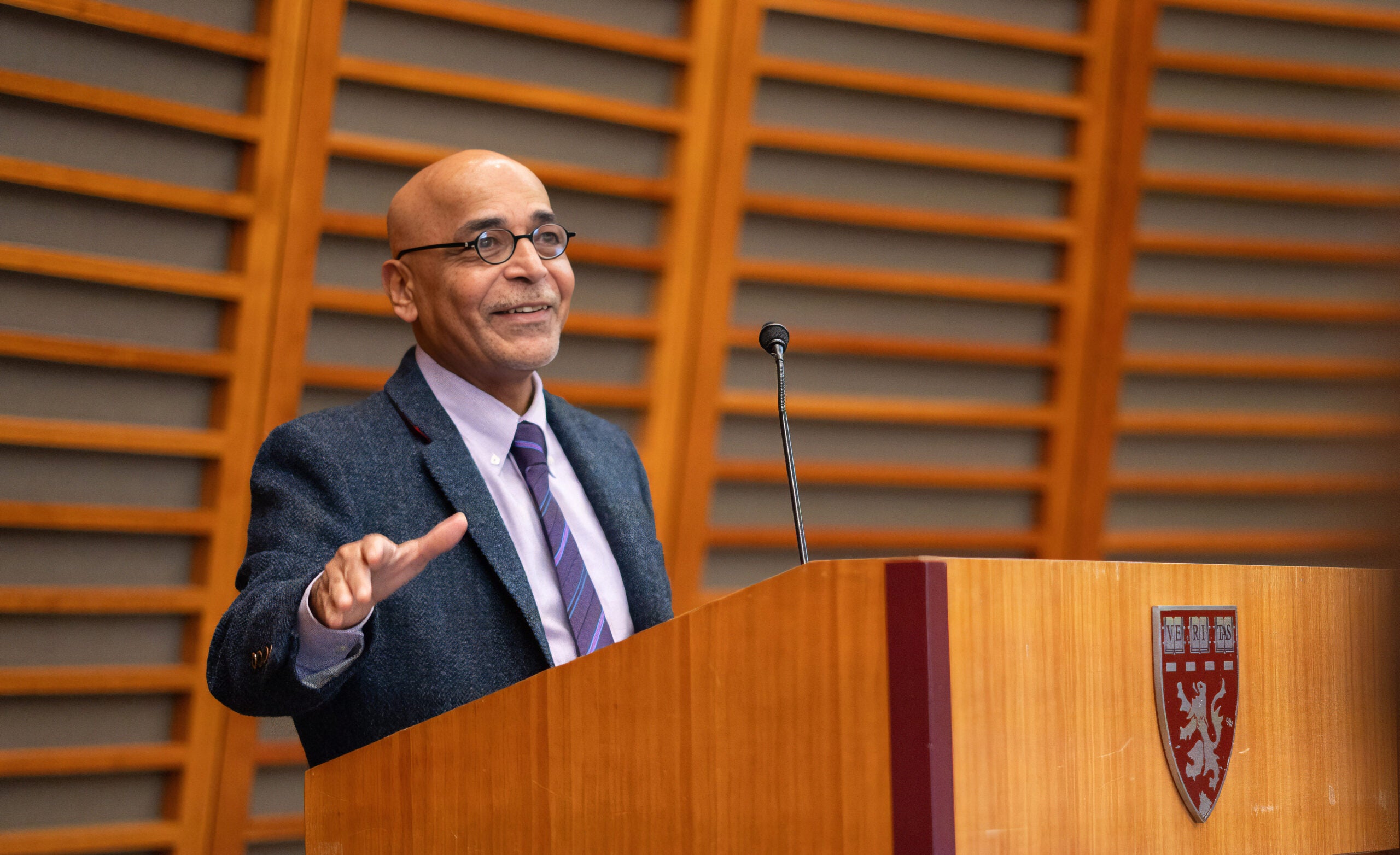
About the lab
We believe that health and communication inequalities are singular threats to health and well-being in the 21st century. The Viswanath Lab is dedicated to ensuring that all sections of society—the public, practitioners, and policymakers—benefit equally from biomedical and communication revolutions through research and training in translational communication.
Our research
LifeFirst SWASTH
Developed in partnership with Narotam Sekhsaria Foundation, Boston University School of Public Health, and tech company Dimagi, the project objective is to adapt and evaluate a brief advice tobacco cessation program in low-resource, high-reach settings in India. Dr. Shoba Ramanadhan is Co-PI.
UMass Boston – Dana-Farber/ Harvard Cancer Center (DF/HCC) Partnership
The UMass Boston – DF/HCC Partnership is a research collaboration addressing cancer disparities. The Partnership aims to improve research, training, and outreach opportunities for under-represented minority trainees as well as develop information and resources to close the cancer disparities gap.
UMass Boston – Dana-Farber/ Harvard Cancer Center (DF/HCC) Partnership Outreach Core
A part of the UMass Boston – DF/HCC Partnership, the Outreach Core uses a community-engaged approach. It works in the Greater Boston and Lawrence areas to build capacity in community-based and faith-based organizations to use evidence-based programs and strategies for health promotion.
Lawrence Youth Media and Health Incubator Award
This pilot project aims to promote cancer prevention behaviors among Lawrence youth (13-18 years) by engaging them in developing social media campaigns related to cancer prevention and disseminating, monitoring, and evaluating the campaigns. Dr. Lindsay Frazier is Co-PI.
Lawrence Racial and Ethnic Approaches to Community Health (REACH)
The City of Lawrence has a CDC grant as part of the REACH program, aiming to promote nutrition, physical activity, and breastfeeding among Hispanic/Latino residents. The Lab is supporting the strategic communication component of the project by developing tailored messaging to fit community needs.
Team
Lee Kum Kee Professor of Health Communication
(Harvard T. H. Chan School of Public Health [HSPH];
Dana-Farber Cancer Institute [DFCI])
Director, Center for Translational Health Communication Science, DFCI/HSPH
Director, Harvard Chan India Research Center
Director, Lee Kum Sheung Center for Health and Happiness
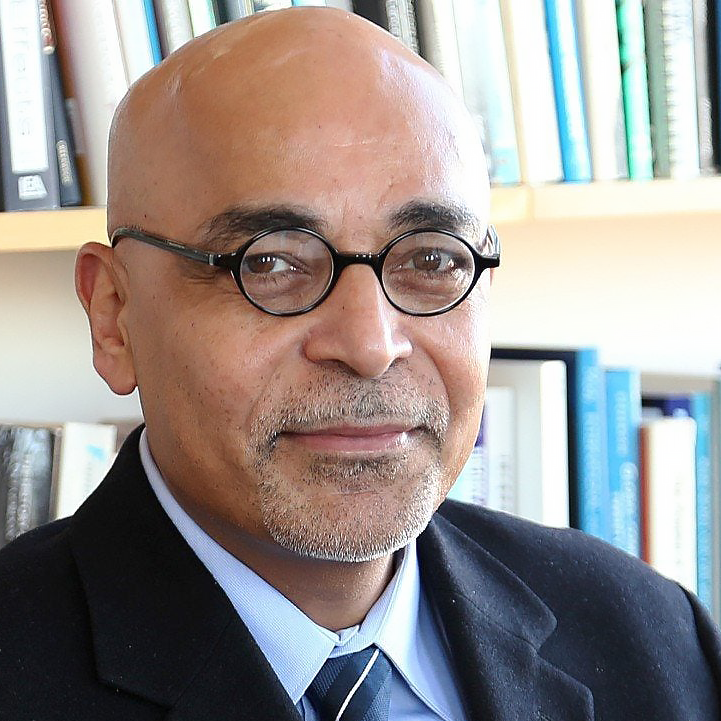
Dr. K. “Vish” Viswanath is Lee Kum Kee Professor of Health Communication in the Department of Social and Behavioral Sciences at the Harvard T. H. Chan School of Public Health (HSPH) and in the McGraw-Patterson Center for Population Sciences at the Dana-Farber Cancer Institute (DFCI). He is Director of the Lee Kum Sheung Center for Health and Happiness (HSPH), Director of the India Research Center (HSPH), Leader of Viswanath Lab (DFCI), Faculty Director of the Health Communication Core of the Harvard Cancer Consortium (HCC); founding Director of the Enhancing Communications for Health Outcomes (ECHO) Laboratory (HCC); and Associate Director of Community Outreach and Engagement (HCC).
Dr. Viswanath’s work is driven by two fundamental concerns: (a) how to center equity in drawing on translational communication science to promote health and well-being for ALL population groups, and (b) to involve community-based organizations and stakeholders through participatory research in promoting social change. The ultimate goal of the program of research in his lab is to influence public health policy and practice through knowledge translation and translational communication. His work draws from literature in communication science, social epidemiology, dissemination and implementation, and social and health behavior sciences.
His work so far has documented the relationship between communication inequalities, poverty and health disparities, and knowledge translation to address health disparities. He has written more than 340 journal articles and book chapters concerning communication inequalities and health disparities, knowledge translation, public health communication campaigns, e-health and digital divide, public health emergency preparedness and the delivery of health communication interventions to underserved populations. He is the Co-Editor of seven books and monographs: Health behavior: Theory, research, and practice (6th ed.) (2024), Understanding and addressing misinformation about science (2024), The first 1,000 days of life: Lessons from social and behavior change communication (2021), A socioecological approach to addressing tobacco-related health disparities (2017), The role of media in promoting and reducing tobacco use (2008), The international encyclopedia of communication (2008), and Mass media, social control, and social change: A macrosocial perspective (1999).
He has served and continues to serve on several national committees including for the US Department of Health and Human Services (HHS), the Centers for Disease Control and Prevention (CDC) and the National Academy of Sciences, Engineering and Medicine (NASEM). He chaired NASEM’s Consensus Study Committee on Understanding and Addressing Misinformation About Science.
In recognition of his academic and professional achievements, Dr. Viswanath has received several awards and honors.
Administrative Assistant, Viswanath Lab, Dana-Farber Cancer Institute; Harvard T. H. Chan School of Public Health

Ms. Chau provides overall support to Dr. Viswanath and the team. Prior to joining the lab and Dana Farber, she was an Assistant Rooms Manager at the Fairmont Copley Plaza with years of experience in hospitality. Megan graduated from UMass Boston with a BA in Psychology and a minor in Sociology.
Data Programmer Analyst, Dana-Farber Cancer Institute
Research Focus
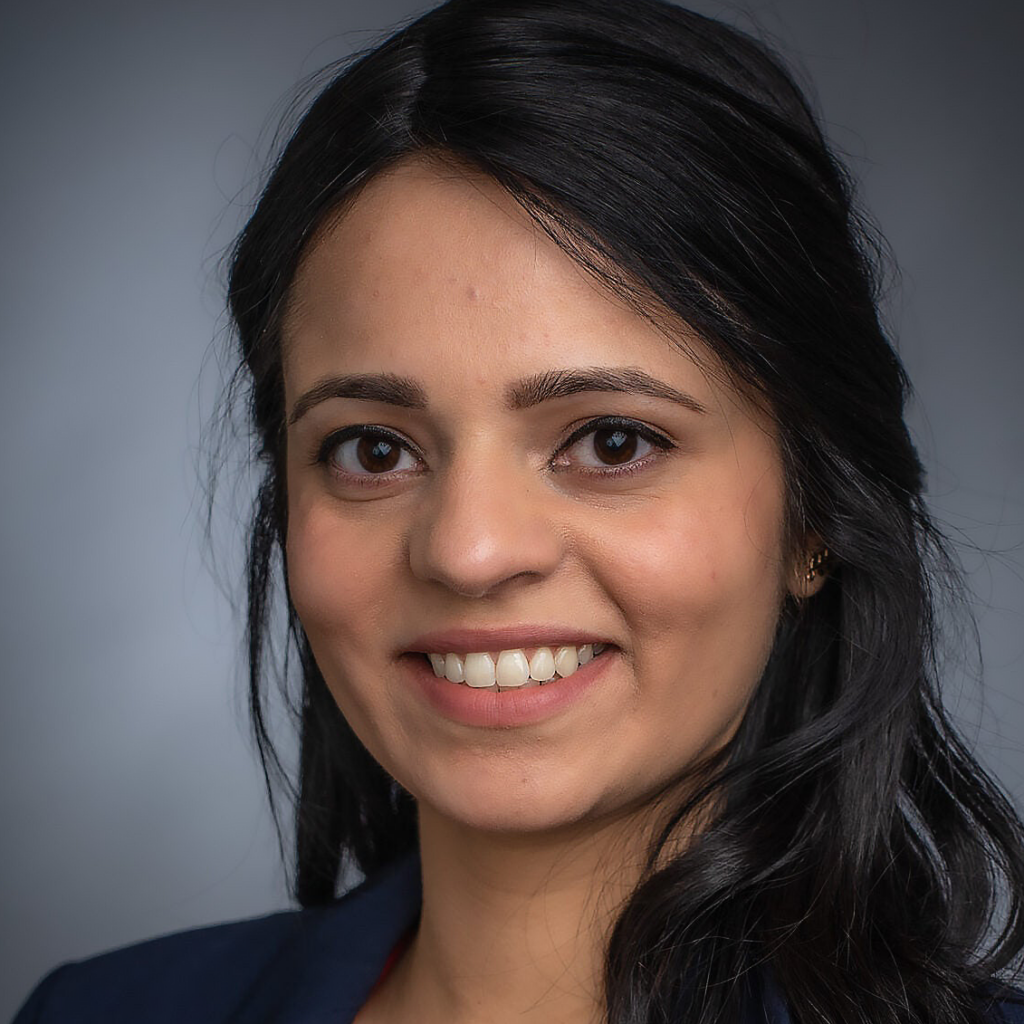
As a Data Programmer Analyst at the lab, Dr. Dhawan’s work focuses on generating data-driven evidence for health communication strategies to improve public health by (1) informing public health programs and (2) influencing policy changes. Her research interests include health inequities in underserved and marginalized populations in both developed and developing nations. Dr. Dhawan has worked on projects to improve maternal and child health and adolescent health and adopt COVID-19 preventive behaviors like vaccines. Dr. Dhawan also has extensive experience in data collection using surveys; and data analysis and visualization using tools like R and Stata.
Background
Dr. Dhawan obtained a Master’s in Public Health from Tufts University School of Medicine, during which she developed an understanding of epidemiological and biostatistical methodology. She has also obtained a Ph.D. in Life Sciences from Humboldt University at Berlin, Germany, focused on cancer biology.
Project Manager, Dana-Farber Cancer Institute
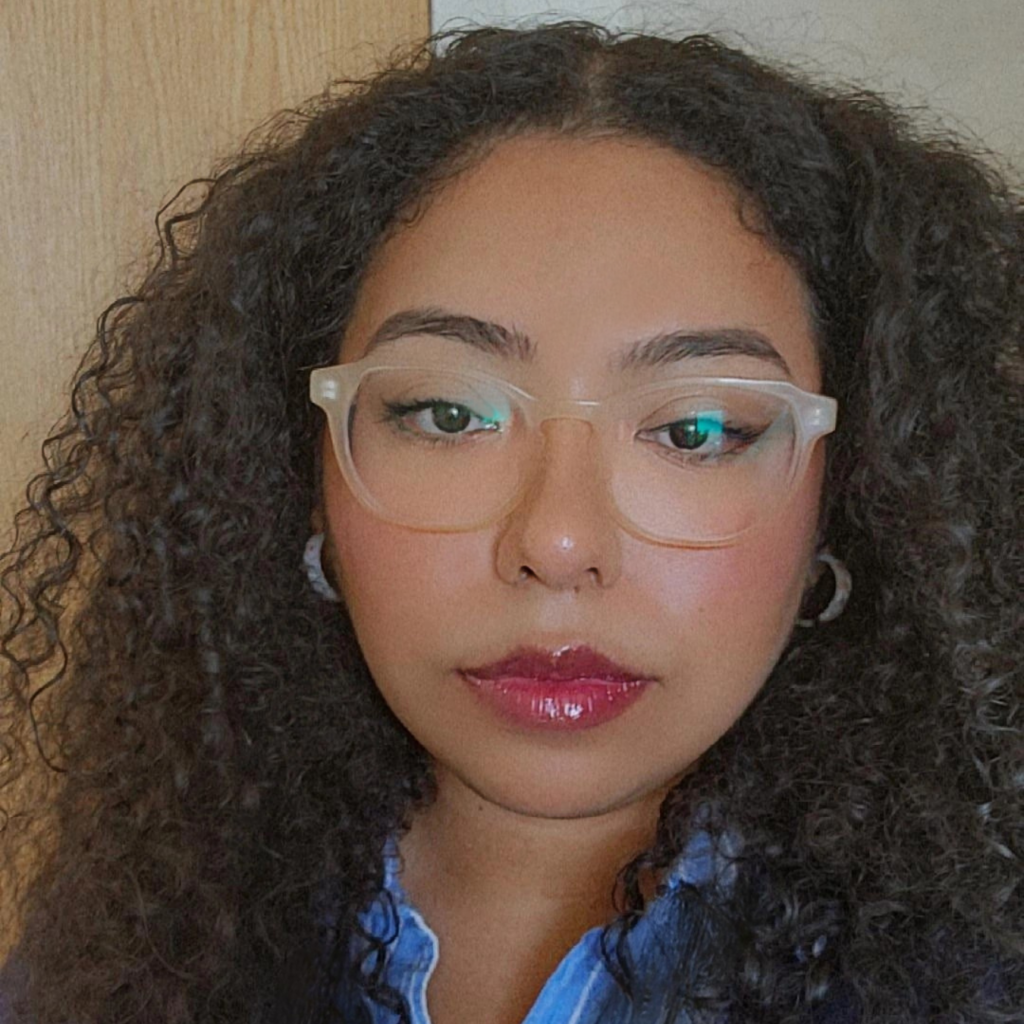
Aileene manages community-engaged research and outreach activities for the Outreach Core of the U54 UMass Boston-Dana-Farber/Harvard Cancer Center Partnership, including overseeing the Core’s annual public health and community engagement summer program. Aileene also supports other research projects at the lab with dissemination and outreach efforts through the development of bilingual (English/Spanish) health communication materials and partner engagement efforts.
Background
Aileene holds a Master of Public Health degree from Boston University with a concentration in Health Equity. Prior to her current role, she served as the lab’s Community Health Educator.
Her research interests center on community-driven approaches to public health, with a particular emphasis on visual storytelling, community engagement, and advocacy informed by lived experience to make public health information more approachable and accessible.
Associate Director, Viswanath Lab, Dana-Farber Cancer Institute; Harvard T. H. Chan School of Public Health
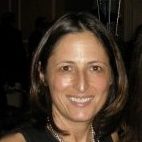
Sara manages operations and community engagement activities for research projects at the Viswanath lab. These projects range from community-engaged research that is part of the UMass Boston and Dana-Farber/Harvard Cancer Center U54 Outreach Core to global health projects funded by the Bill & Melinda Gates Foundation. She also supports community engagement efforts in Massachusetts, and has worked on several capacity-building projects that address health inequalities at the individual, organizational, and community levels (Click to Connect, PLANET MassCONECT, U54 Outreach Core, and Project IMPACT).
Background
Sara holds a Master’s Degree in Public Health from Boston University with a focus in Social and Behavioral Science and Epidemiology. Before joining DFCI, Sara worked at Boston University School of Public Health managing randomized controlled trials examining the residual effects of alcohol on occupational and academic performance, and the effectiveness of condom promotion interventions on STI reduction.
Her interest in working with under-served communities to address health inequalities and cancer prevention and control brought her to the Viswanath Lab in 2006.
Project Coordinator, Dana-Farber Cancer Institute
Background
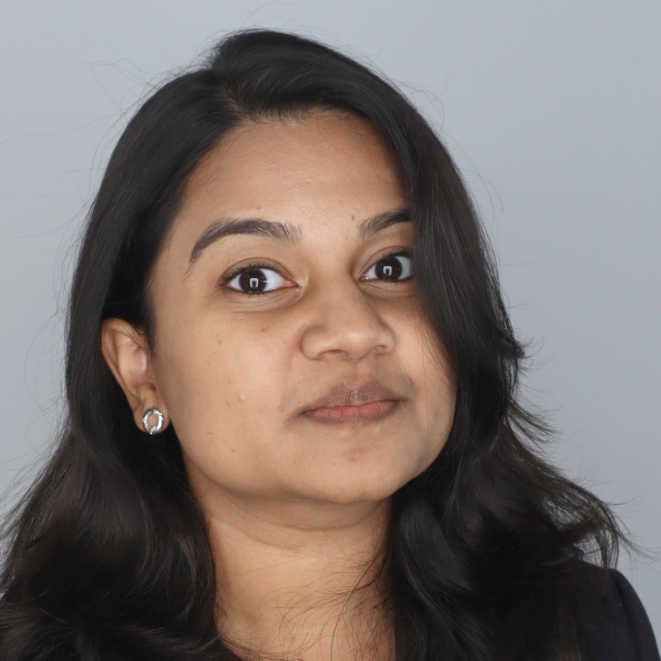
I’m a physician from India with specialization in Community Medicine and completed master’s in public health (MPH) in Global Health from the Harvard T.H. Chan School of Public Health.
Research Focus
My research focuses on adolescent health, particularly the mental health and well-being of young people as they navigate complex health experiences.
One area of focus is understanding the unique information needs and psychosocial challenges of adolescent and young adult (AYA) cancer survivors. Another key project addresses the growing concern of cancer-related misinformation on social media platforms commonly used by youth today. Both projects aim to inform interventions that promote health literacy and informed health decision-making among adolescents and young adults.
Post-doctoral Research Fellow, Harvard T.H. Chan School of Public Health; Dana-Farber Cancer Institute

Sarah Piombo, PhD, MPH, is a postdoctoral research fellow in the NCI T32 Training in Oncology Population Sciences program in the Department of Medical Oncology at Dana-Farber Cancer Institute and Harvard Medical School.
Research Focus
Dr. Piombo’s research focuses on using social network analysis across the cancer continuum to understand how social networks impact health behaviors and outcomes and can be leveraged in interventions.
Background
Dr. Piombo received her PhD in Preventive Medicine (Health Behavior Research) and MPH from the University of Southern California, Keck School of Medicine.
Program Manager, Center for Cancer Equity and Engagement

Jenny Reiner is a Program Manager for the Center for Cancer Equity and Engagement at the Dana-Farber/Harvard Cancer Center (DF/HCC). In this role, Jenny manages community outreach and engagement activities designed to connect DF/HCC research with communities throughout Massachusetts. Her primary interests include community-engaged approaches to bridge the gap between research and practice. She is focused on building strong partnerships across sectors to improve community health and promote health equity. Prior to this role, Jenny worked as a Project Manager at the Harvard T.H. Chan School of Public Health, where she managed the implementation and evaluation of nutrition and physical activity interventions across various community settings. She received her MPH from The George Washington University Milken Institute School of Public Health.
Senior Program Manager, Dana-Farber/ Harvard Cancer Center
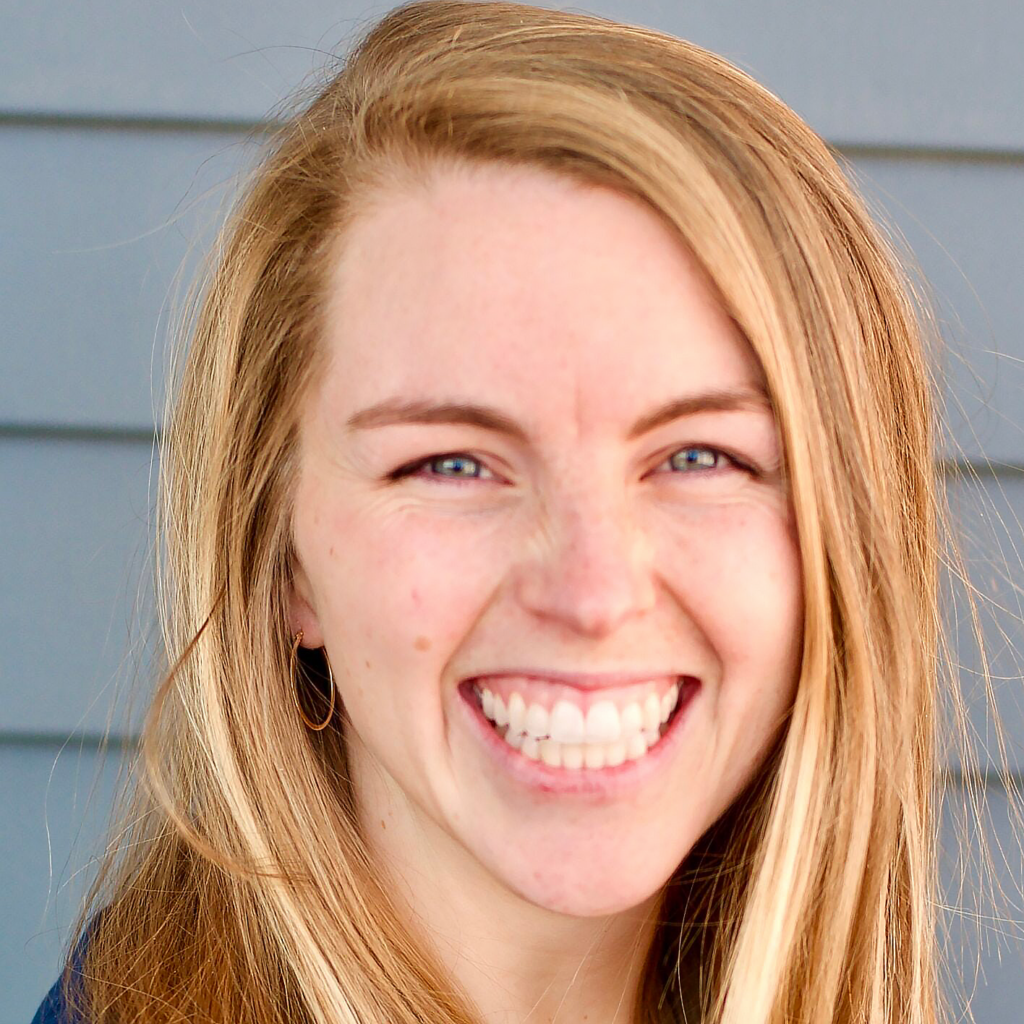
Ms. Abigail Shain (Abigail Cook) is the Senior Program Manager for the UMass Boston- Dana-Farber/Harvard Cancer Center Partnership.
In this role, she serves as the liaison between the executive, evaluative, scientific and operational teams and is responsible for operationalizing program objectives and overseeing day-to-day Partnership activities. She manages the process for selecting new research projects, reporting to NIH and both internal and external Partnership communication.
Ms. Shain holds an MS in Administration from Boston College and is in the midst of pursuing an MPH from George Washington University.
Lab themes
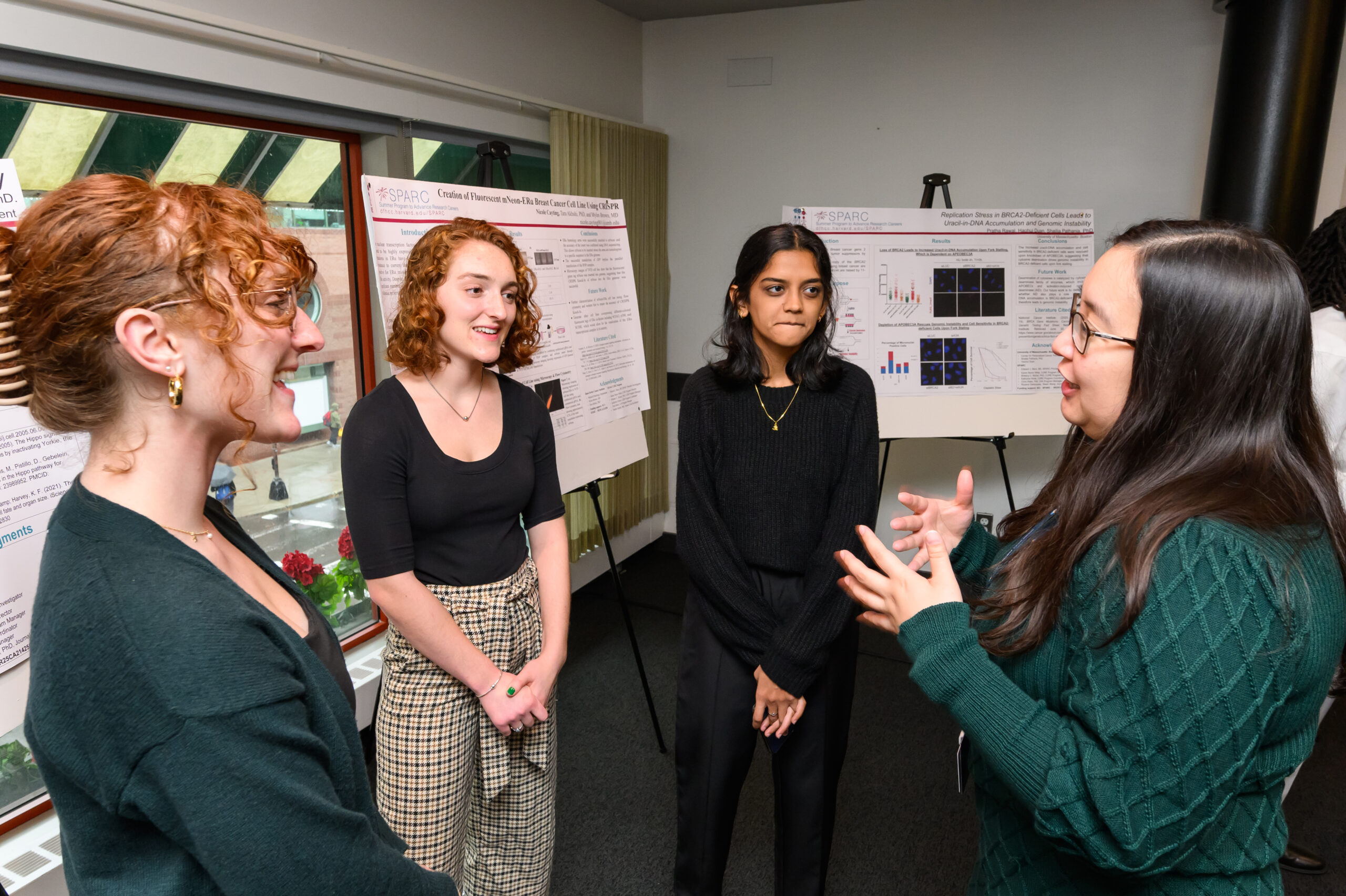
Addressing health communication inequalities
Lab projects focus on understanding how public health information, misinformation, and disinformation spread through media and how to disseminate accurate messaging to underserved communities.
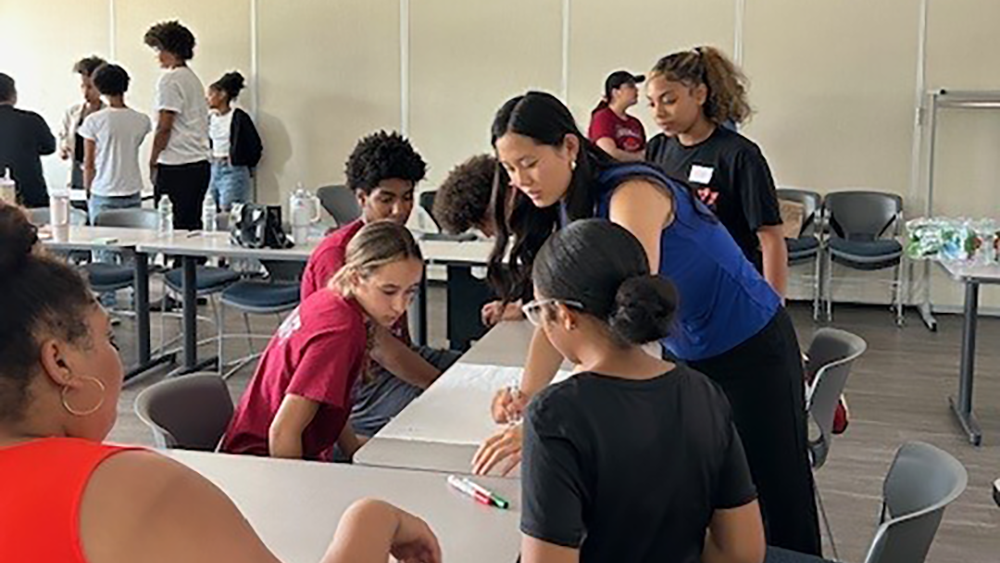
Engaging with communities
With longstanding partnerships in Greater Boston, Lawrence, and other Massachusetts communities, the Lab works with community-based organizations on a wide range of health topics.
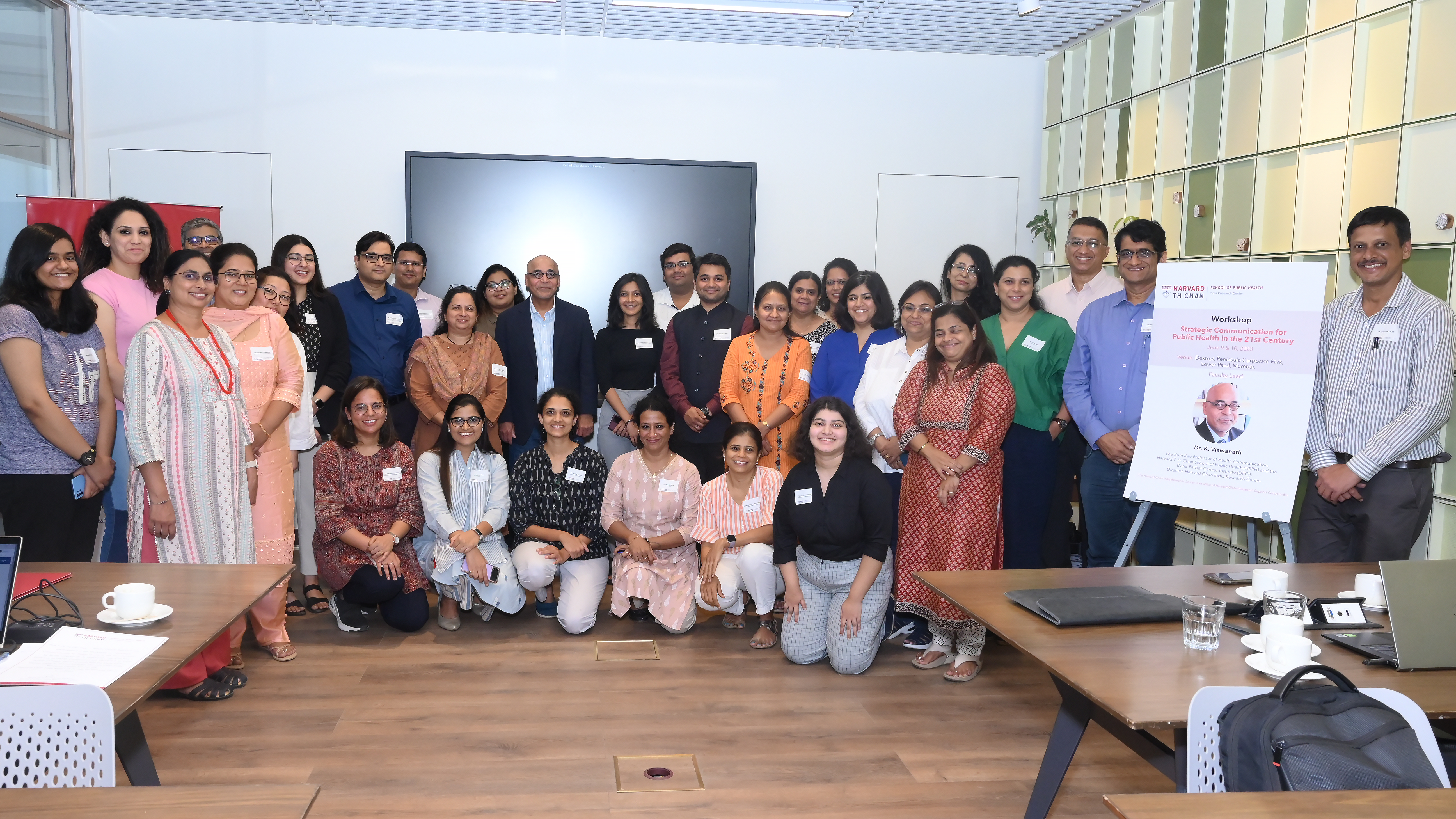
Translating evidence to influence practice and policy
The Lab works with non-governmental organizations in India and other countries to implement and assess interventions on topics such as tobacco cessation and other health behaviors.
Publications
Dr. Viswanath has published more than 340 journal articles and book chapters, and has co-edited or authored 7 books. See the full list of Viswanath Lab publications.
Select publications
Viswanath K, Bekalu M, Dhawan D, Pinnamaneni R, Lang J, McLoud R. Individual and social determinants of COVID-19 vaccine uptake. BMC Public Health. 2021 Apr 28;21(1):818. doi: 10.1186/s12889-021-10862-1. PMID: 33910558; PMCID: PMC8081000.
Ramanadhan S, Aronstein D, Martinez-Dominguez V, Xuan Z, Viswanath K. Designing Capacity-Building Supports to Promote Evidence-Based Programs in Community-Based Organizations Working with Underserved Populations. Prog Community Health Partnersh. 2020;14(2):149-160. doi: 10.1353/cpr.2020.0027. PMID: 33416638; PMCID: PMC11017196.
Dhawan D, McCloud R, Pinnamaneni R, Arora G, Kadam R, Dutt A, Biswas-Ramchandran N, Viswanath K. Communication and Social Determinants of Cancer Preventive Behaviors in Adolescents From Low Socio-Economic Backgrounds in India: A Cross-Sectional Study. Cancer Control. 2024 Jan-Dec;31:10732748241255538. doi: 10.1177/10732748241255538. PMID: 38736171; PMCID: PMC11089949.
Mahtani SL, Viswanath K, Gupte HA, Mandal G, Jagiasi D, Chawla R, D’Costa M, Xuan Z, Minsky S, Ramanadhan S. Adapting and Evaluating a Brief Advice Tobacco Cessation Intervention in High-reach, Low-resource Settings in India: Protocol for a Cluster Randomized Controlled Trial. JMIR Res Protoc. 2024 Sep 3;13:e57236. doi: 10.2196/57236. PMID: 39225384.
Marciano L, Vocaj E, Bekalu MA, La Tona A, Rocchi G, Viswanath K. The Use of Mobile Assessments for Monitoring Mental Health in Youth: Umbrella Review. J Med Internet Res. 2023 Sep 19;25:e45540. doi: 10.2196/45540. PMID: 37725422; PMCID: PMC10548333.
Galbraith-Gyan KV, Ramanadhan S, Viswanath K. Community Stakeholders’ Perspectives on Introducing Human Papillomavirus Vaccination and Biobanking Evidence-Based Programs Within Medically Underserved Communities: A Community-Engaged Approach. Int Q Community Health Educ. 2021 Apr;41(3):315-323. doi: 10.1177/0272684X20942071. Epub 2020 Jul 14. PMID: 32664800; PMCID: PMC9376934.