India Research Center
The India Research Center, based in Mumbai, serves as a hub for Harvard Chan School’s research projects, educational programs, and knowledge translation and communication work across India.
Peninsula Corporate Park,
Lower Parel, Mumbai
India
What We Do
For more than a century, the Harvard T.H. Chan School of Public Health has advanced public health through research, education, and leadership. Building on this legacy, the Harvard T.H. Chan School of Public Health India Research Center (IRC) has, over the past decade, developed trusted partnerships across India that bring together Harvard’s academic excellence with India’s scientific talent, contextual knowledge, innovation, and capacity for large scale implementation.
Established in 2017, the IRC, an office of Harvard Global Research Support Centre India, is the first global center of the Harvard T.H. Chan School of Public Health and serves as a platform for collaborative research, capacity building, and knowledge translation and communication. The Center strengthens the School’s existing partnerships while establishing new collaborations across government, academia, civil society, development organizations, and the private sector, and supports interdisciplinary solutions to India’s most pressing public health challenges.
Through research, capacity building, and innovation, the IRC works to generate evidence, strengthen institutions, and support evidence informed policy and practice to improve health and well being in India.
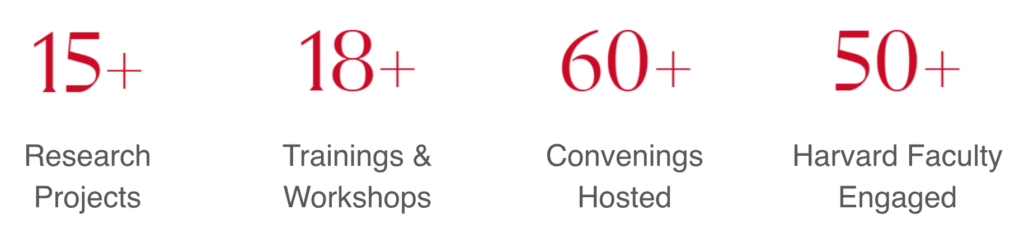
Center by the numbers
Vision
To improve health and well-being across India by translating scientific knowledge, innovation, leadership, and partnerships into action at scale.
Mission
To advance public health through enduring partnerships between Harvard and India that generate and apply knowledge, develop leaders, strengthen institutions, foster innovation, and translate evidence into policies and practices that improve lives.
Health in India
India’s scale and diversity make its public health landscape both complex and consequential. Rapid development has driven profound demographic, epidemiological, and nutrition transitions that create unique challenges while presenting unprecedented opportunities to demonstrate what achieving health at scale can look like.
India has achieved significant milestones in the realm of public health, as reflected in the decline in Maternal Mortality Ratio (MMR) from 130 to 87 per 100,000 live births between 2014 and 2024 and nearly 38% reduction in the Infant Mortality Rate (IMR) over the last decade. These achievements reflect sustained investments in health systems, socioeconomic development, and public health programmes. At the same time, population ageing, rapid urbanization, changing lifestyles and climate change are introducing new and evolving health risks. Together, these transitions have resulted in a complex and evolving disease burden in which infectious diseases persist alongside a rapidly growing epidemic of Non-Communicable Diseases (NCDs), with cardiovascular diseases, stroke, diabetes, cancers and chronic respiratory diseases among the leading causes of death and disability.
The scale and diversity of India’s health needs continue to place considerable demands on public systems, with states varying widely in both the challenges they face and their capacity to respond. Addressing these needs requires locally relevant research, capacity building, translating evidence into policy and practice, cross-sector collaboration, and community engagement. Together, these efforts can support more responsive, equitable, and resilient health systems capable of delivering high-quality care across the continuum of care.
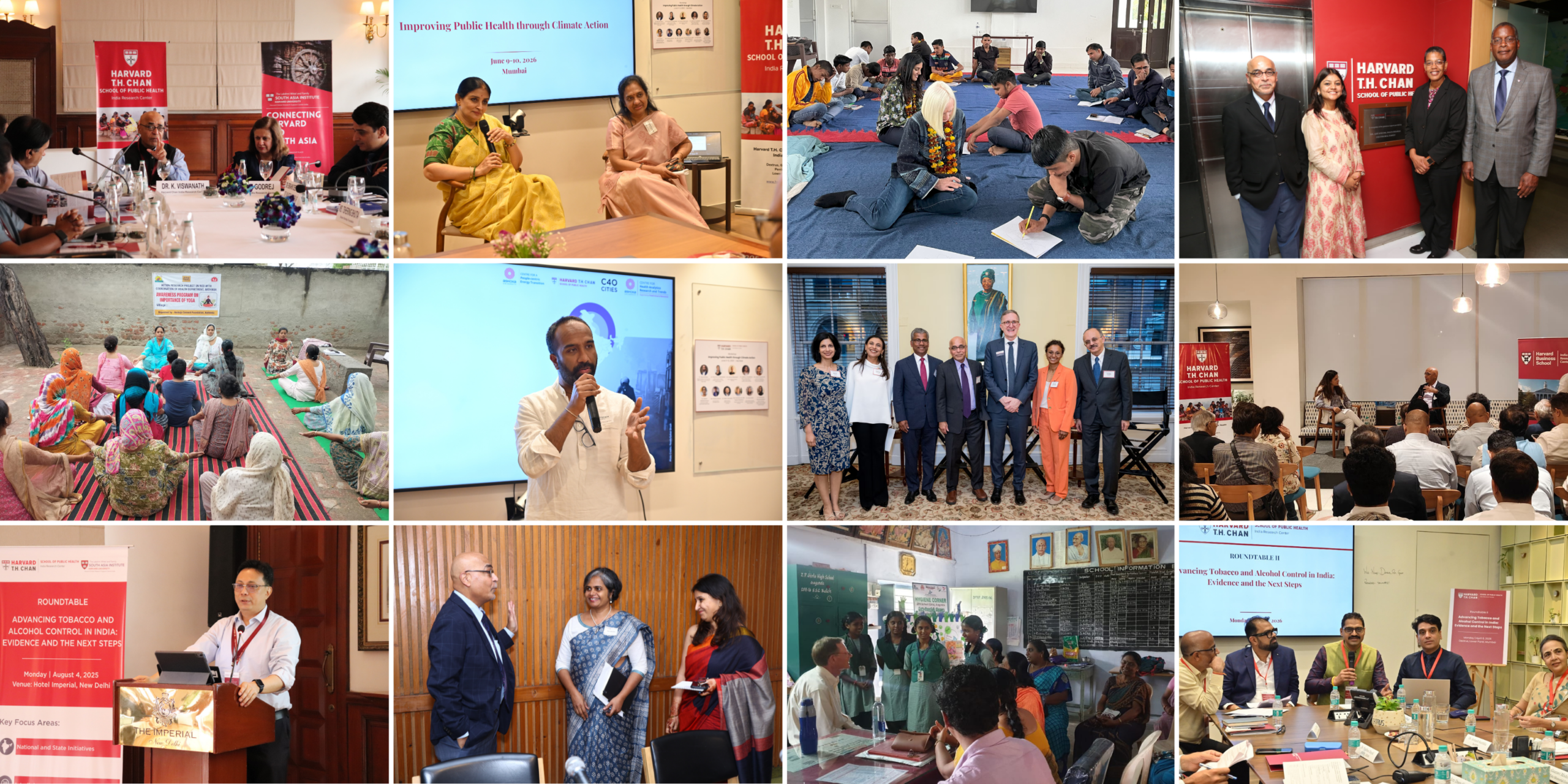
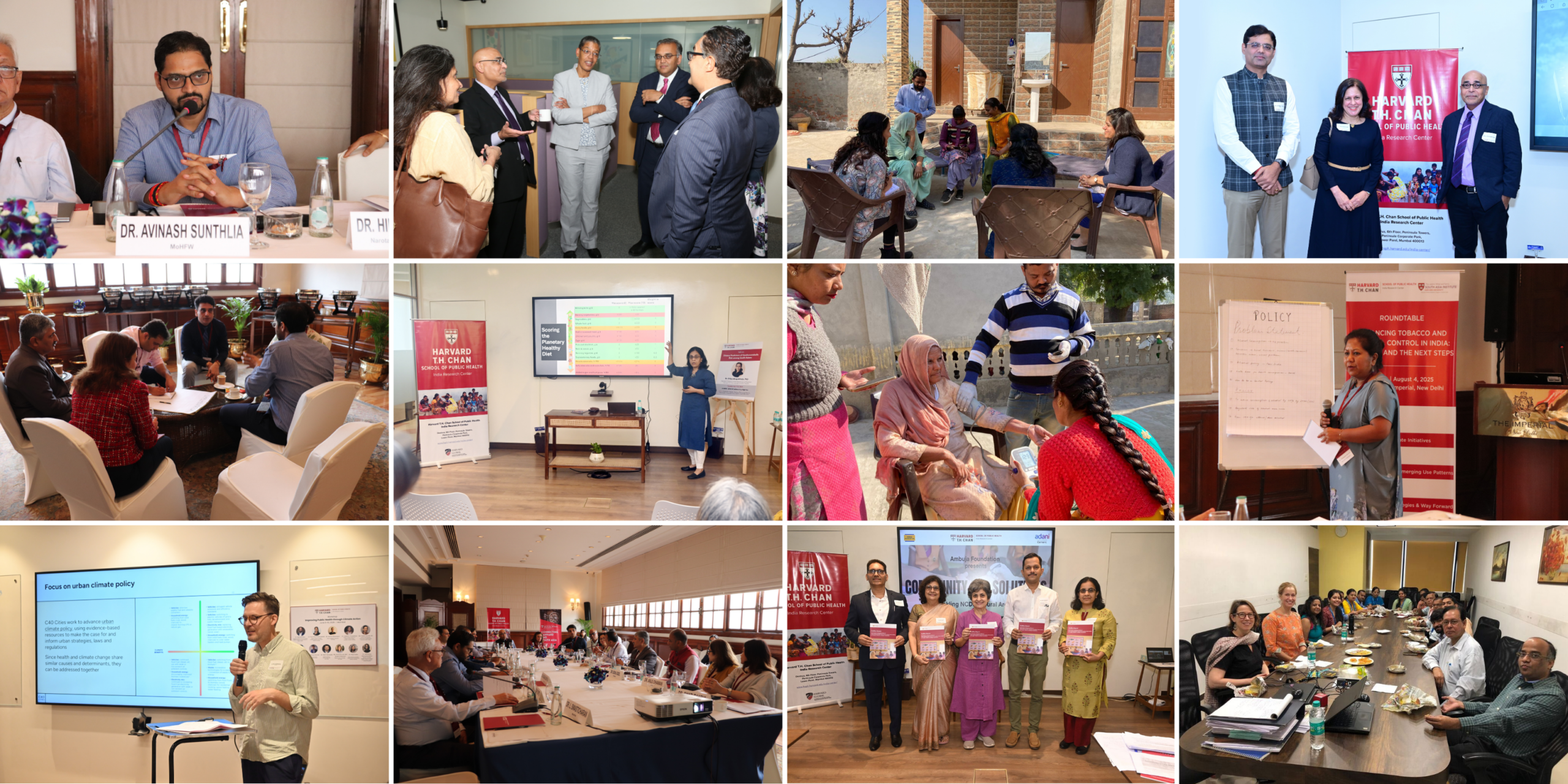
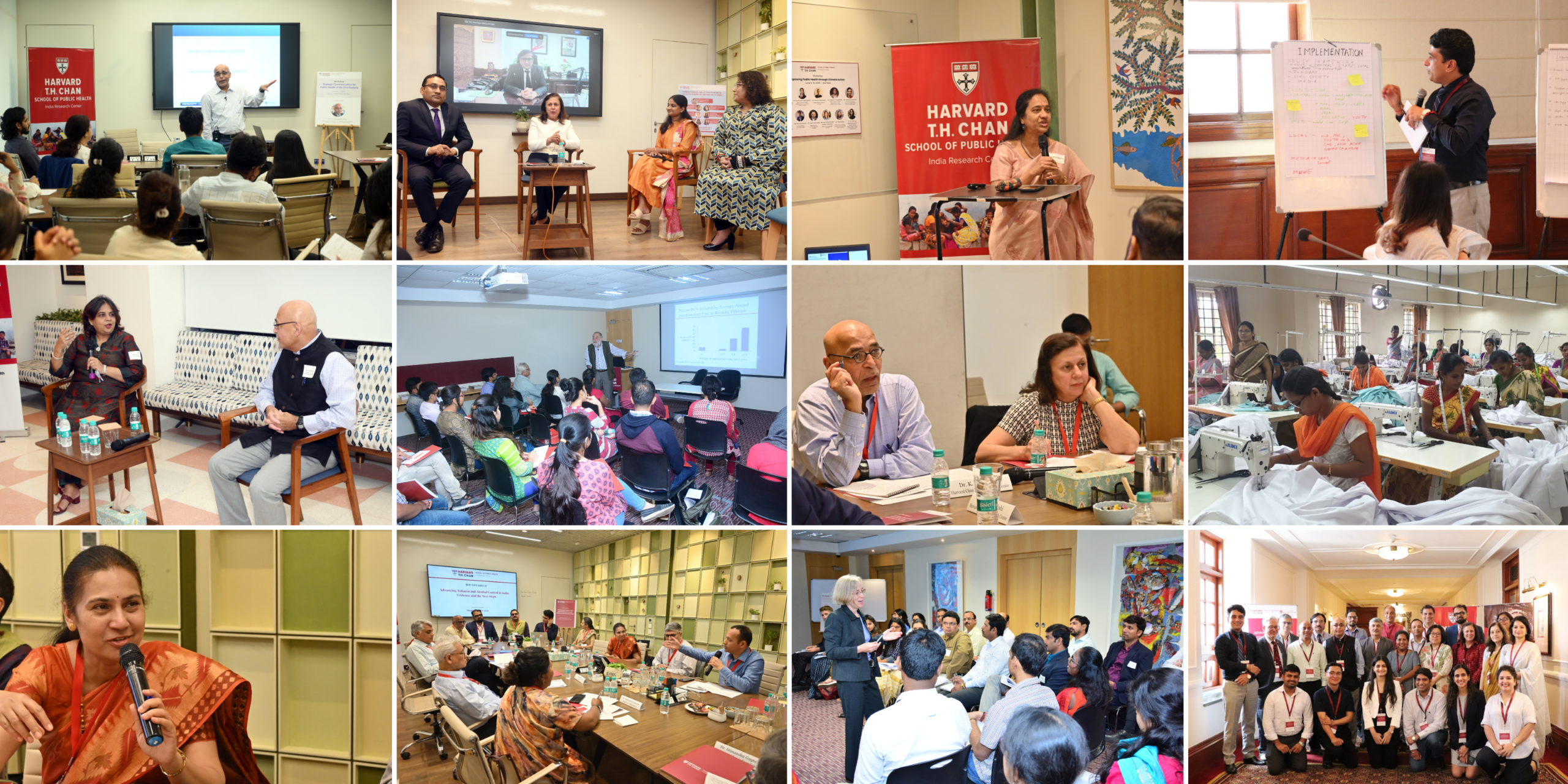
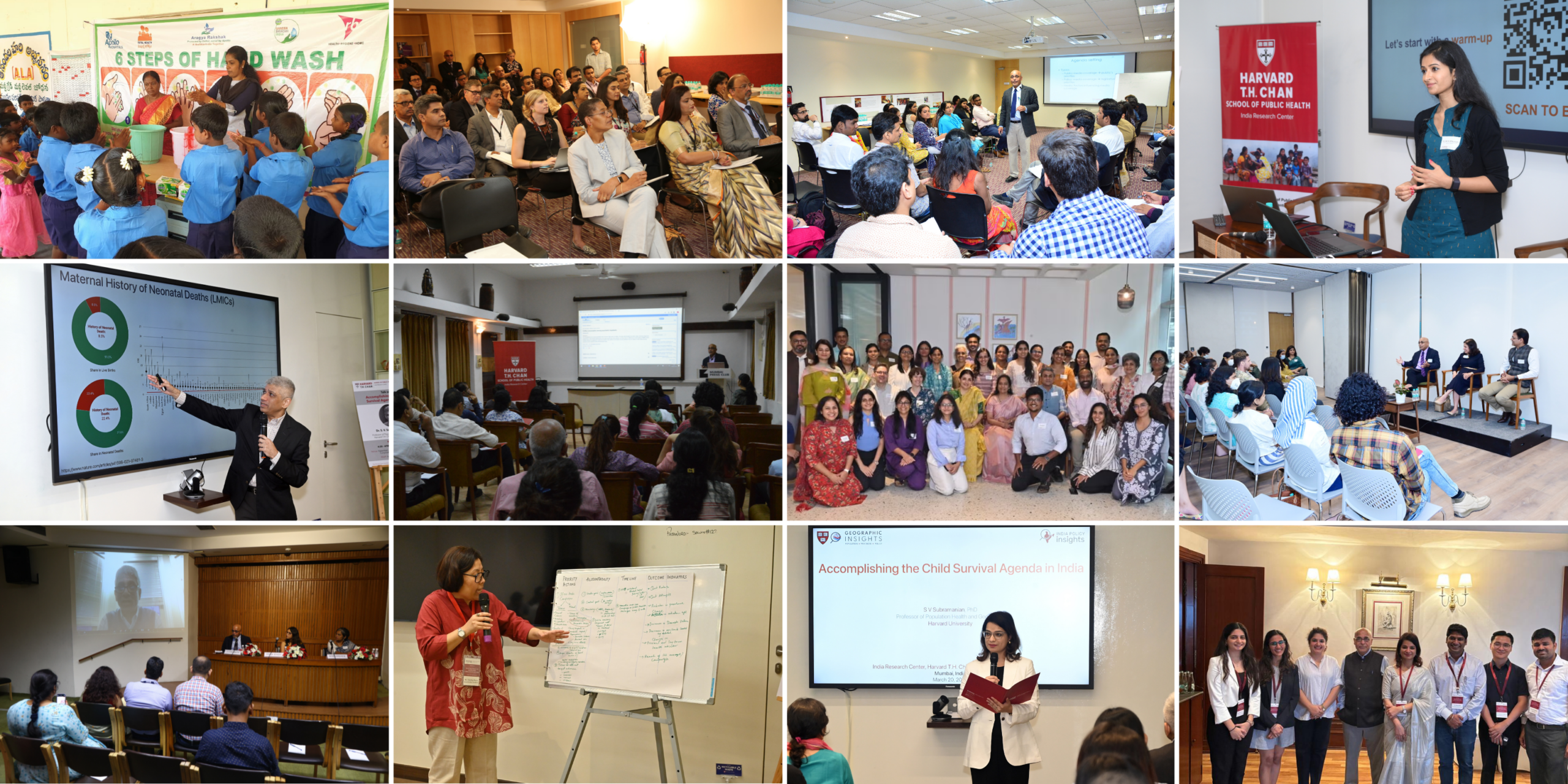
It is within this context that the Harvard T.H. Chan School of Public Health India Research Center works to advance public health in India through research, training and capacity building, and knowledge translation and communication, working closely with partners to strengthen evidence-informed public health practice.
A glimpse into the people and ideas that shape our work