

Andrea Baccarelli

andrea NEW

Andrea Baccarelli

Mark and Catherine Winkler Associate Professor of Environmental Epigenetics

Department of Epidemiology

401 Park Drive
Landmark Ctr, Room 415E
Boston, Massachusetts 02215
Phone: 617.384.8742
Fax: 617.384.8859
abaccare@hsph.harvard.edu

Education and Training

1995 – M.D., University of Perugia, Italy
2000 – M.P.H., University of Turin, Italy
2003 – Ph.D., University of Milan, Italy
2000-2004 Post-Doctoral Fellowship, National Cancer Institute, Bethesda, MD

Research

My laboratory of Human Environmental Epigenetics investigates the molecular mechanisms and biomarkers that reflect reprogramming of health and disease trajectories in response to environmental exposures. The laboratory research activities are specifically focused on epigenetics and environmental mitochondriomics.

Environmental Epigenetics

Epigenetic marks, including DNA methylation, histone modifications, and non-coding RNAs, modify chromatin structure and gene expression without changing the underlying DNA sequence. Unlike genetic mutations, which represent rare events with permanent consequences on genes, epigenetic changes are reversible and responsive to environmental influences. Using a highly quantitative Pyrosequencing-based approach and genome-scale microarray analyses for DNA methylation analysis, my laboratory has been examining responses of DNA methylation to a variety of environmental pollutants, including particulate air pollution, airborne benzene, metals, pesticides, dioxin-like compounds, and persistent organic pollutants, which are well known to be relevant to disease causation. We are dedicated to using state-of-art techniques for epigenomic analysis, not only investigating DNA methylation, but also histone modifications and expression of short non-coding miRNAs. We are currently testing novel methods for genome-wide epigenomic analyses based on next-generation sequencing.

Health Trajectories and Programming of Future Disease Risks

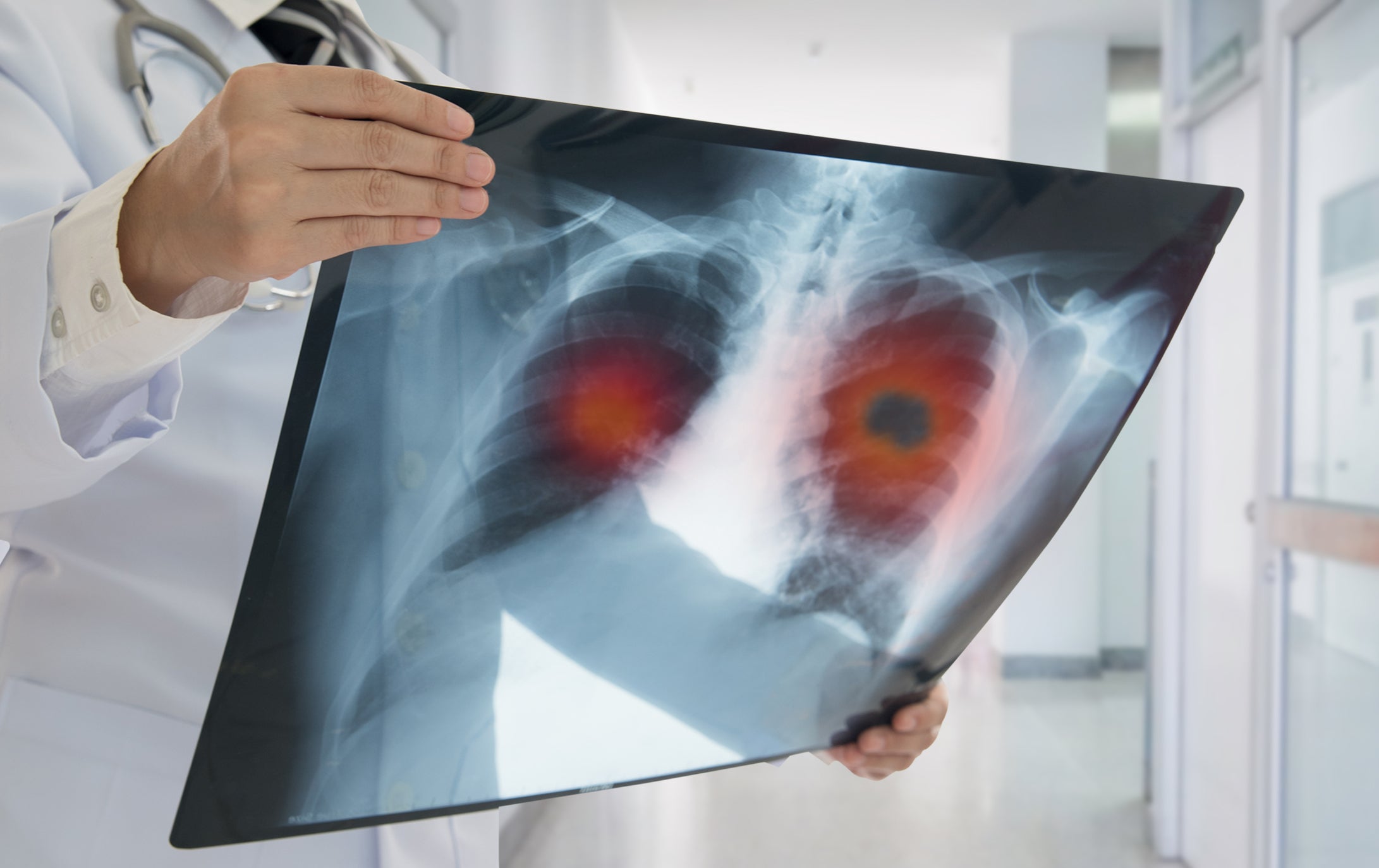
The epigenetic effects I have helped unveil can potentially modify health trajectories and affect disease risk. My laboratory has shown that epigenetic alterations similar to those induced by environmental exposures can be used to predict the risk of highly common human diseases, including cardiovascular disease, respiratory disease, and cancer. Ongoing projects include investigations of disease outcomes at different life stages, including fetal-growth restriction, childhood obesity, blood pressure and respiratory function, and age-related cognitive decline. My laboratory has been conducting studies on the U.S. population, as well as in highly-exposed groups or special conditions of exposure at several international locations in China, Canada, Mexico, Italy, Poland, Thailand, Oman, Bulgaria, Russia, and other countries.

Environmental Mitochondriomics

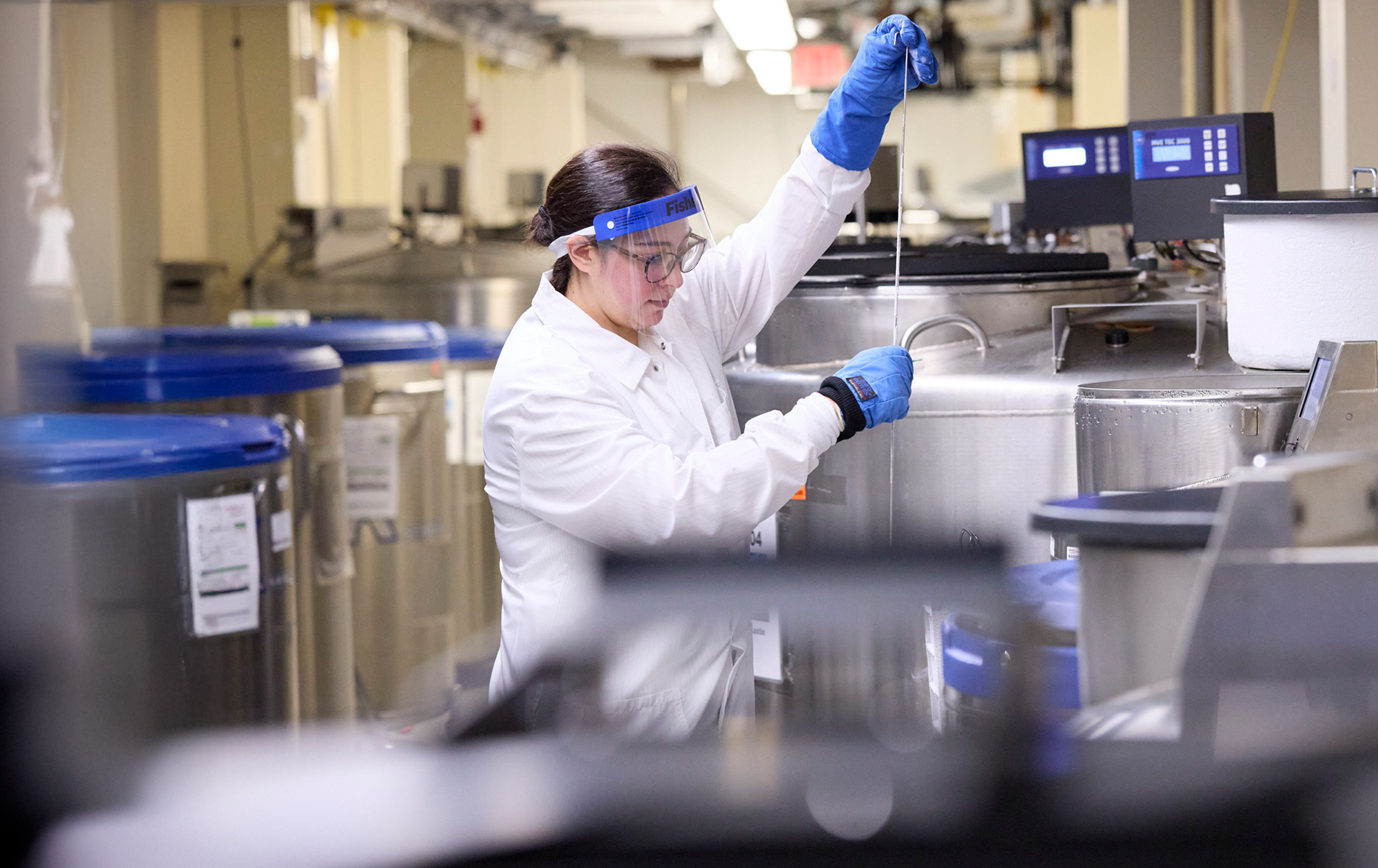
Most of the epigenetic effects of environmental exposures that I have identified might be generated through oxidative stress. Not only mitochondria are a primary target of environmental oxidative damage, but most importantly damaged mitochondria become a main source of intra-cellular oxidation. Due to the paucity of repair mechanisms, mitochondrial DNA is expected to accumulate oxidative damage and thus provide a molecular archive of past environments and aggregate risk. Consistent with this hypothesis, we recently showed that air pollution and lead increase the blood abundance of mtDNAmolecules, a marker of damaged, dysfunctional mitochondrial DNA, by up to 50%. Following these exciting results, I have established a program of environmental mitochondriomics in my lab. We propose that mitochondria are uniquely sensitive to environmental toxics.  If successful, our research in mitochondriomics will identify new non-invasive methods to reconstruct past exposures and identify individuals at risk of developing disease. Because of the central roles of oxidation and mitochondria in environmental causation of disease, mitochondriomics could provide models that can be applied to a variety of risk factors and health-related conditions.