Quan Lu
Mark and Catherine Winkler Assistant Professor of Lung Biology
Department of Environmental Health
Department of Genetics and Complex Diseases
Research
Research interests in my lab are evolving, but the general theme of our research is to understand the complex gene-environment interactions that are critically involved in the development and treatment of human diseases relevant to public health. We use genome-wide functional RNAi screens as well as Next-generation sequencing methods to discover genes and genetic networks that are crucial for disease-relevant cellular phenotypes. Ongoing studies include those on: 1) beta2 adrenergic receptor regulation and asthma therapy, 2) endoplasmic reticulum stress response and diabetogenic effects of arsenic, and 3) lead (Pb)-induced neurotoxicity. These studies identified many genes previously not known to be involved in the corresponding phenotypes. A combination of molecular, cellular and biochemical approaches as well as animal models are being employed to elucidate the mechanisms by which these genes affect the cellular phenotypes and associated diseases. Through collaborations with epidemiologists and clinicians, we also aim to understand the role of these genes and their variants in disease outcome and in response to therapies.
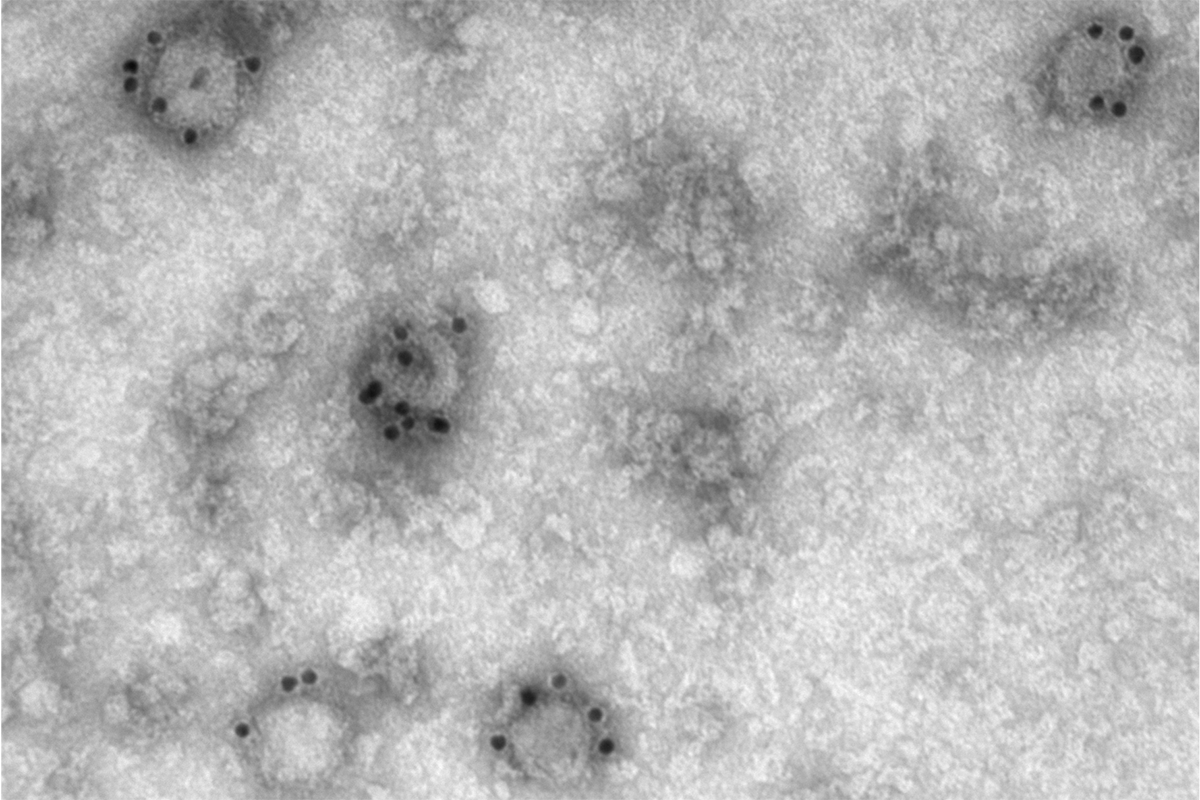
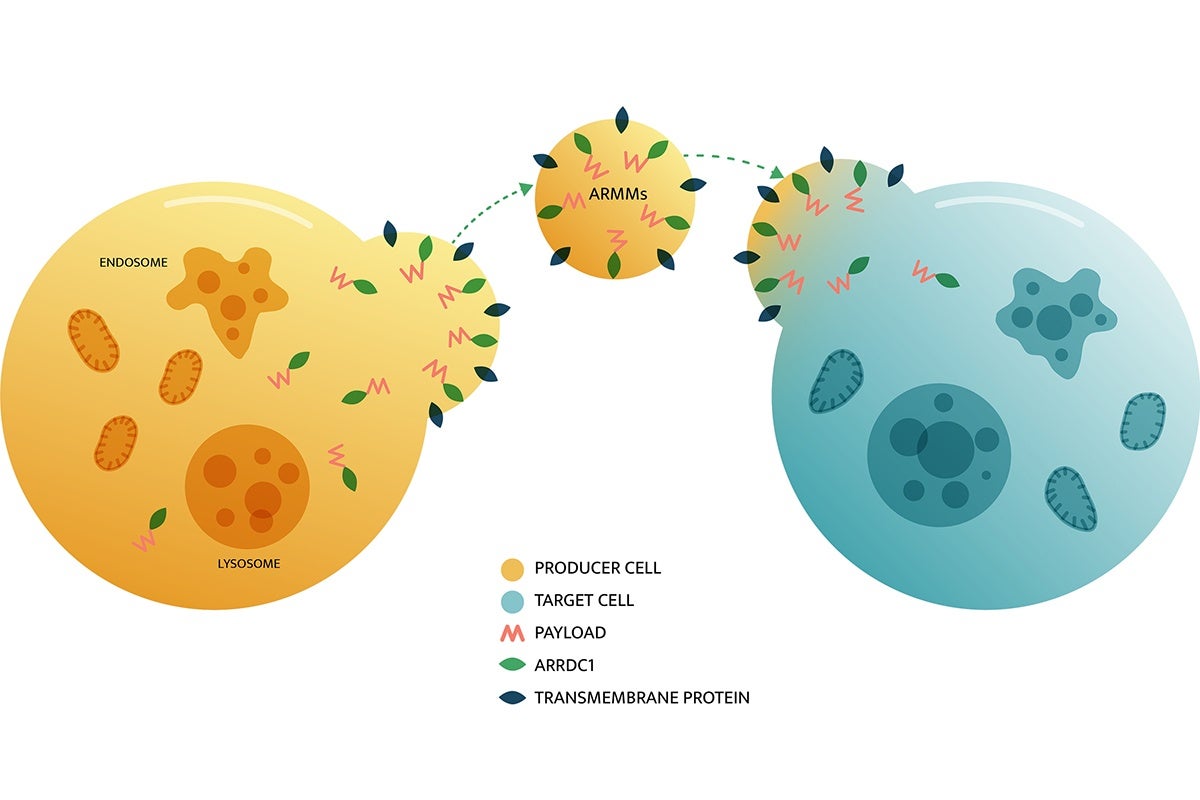
In addition to the functional genetics/genomics studies, my lab is interested in a fundamental cellular process: how and why mammalian cells secrete nanoscale small vesicles (~50-100 nm). We recently discovered a new type of nanoscale vesicles, which we termed ARMMs (ARRDC1-mediated microvesicles). ARMMs formed directly at the plasma membrane may carry receptor proteins (as signaling molecules) and possibly RNAs (as genetic materials) to act as a novel means for cell-cell and even inter-organ communications. We also postulate that ARMMs are regulated by certain environmental stimuli and that dysregulation in ARMM production and trafficking may contribute to development of human diseases. We are testing these hypotheses, which if proven true, could have potentially far-reaching impact on biology and medicine.
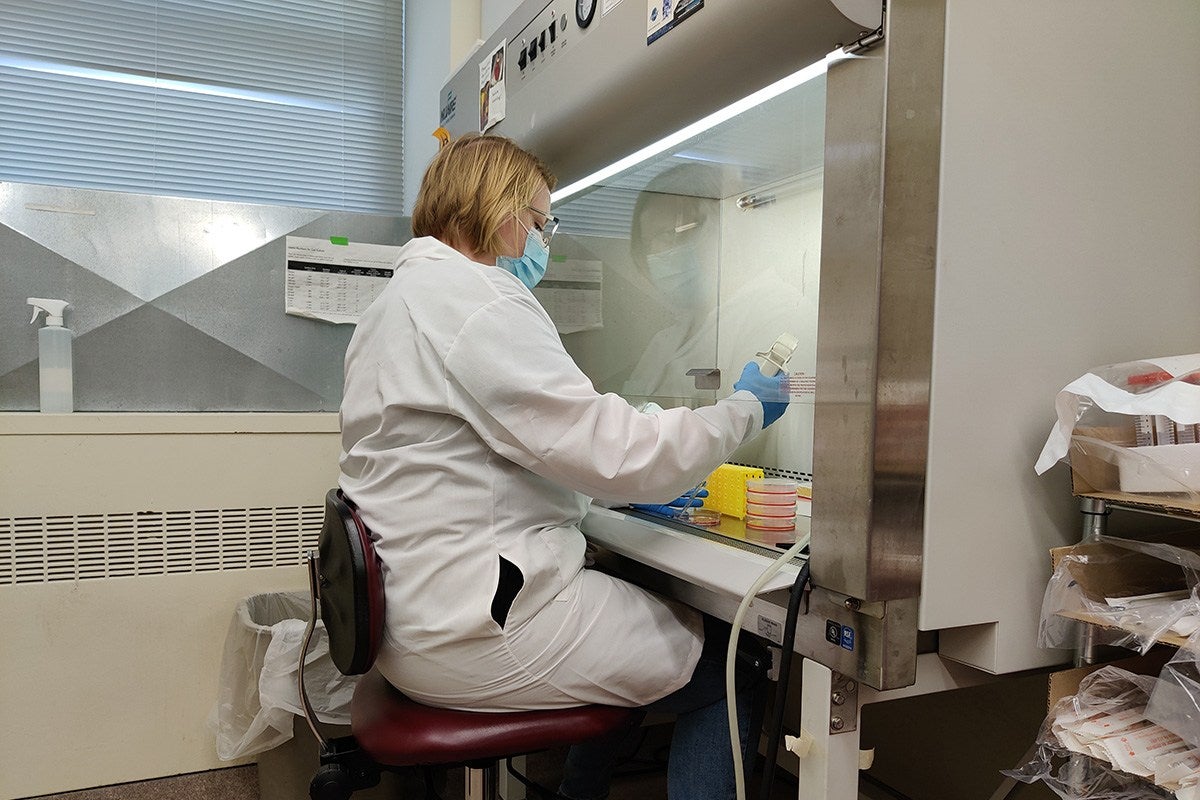
Photo: Kent Dayton/HSPH
Lab Website
Selected Publications
Formation and release of arrestin domain-containing protein 1-mediated microvesicles (ARMMs) at plasma membrane by recruitment of TSG101. Nabhan J, Hu R, Oh R, Cohen S, and Lu Q, Proc. Natl. Acad. Sci. U.S.A. (2012); see PNAS commentary
Functional RNAi screen identifies system A neutral amino acid transporter 2 (SNAT2) as a mediator of arsenic-induced endoplasmic reticulum stress. Oh R, Pan W, Yelcin A, Zhang H, Guilarte T, Hotamisligil G, Christiani D, and Lu Q, J. Biol. Chem. (2012)
A novel EST-derived RNAi screen reveals a critical role for farnesyl diphosphate synthase in β2-adrenergic receptor internalization and downregulation. Jiang X, Pan H, Nabhan J, Krishnan R, Koziol-White C, Panettieri R, and Lu Q, FASEB J. (2012)
Arrestin domain-containing protein 3 (ARRDC3) recruits the NEDD4 E3 ligase to mediate ubiquitination of the β2-adrenergic receptor. Nabhan J, Pan H, and Lu Q, EMBO Rep. (2010)
click here for complete list of publications