Suicide, Guns, and Public Health
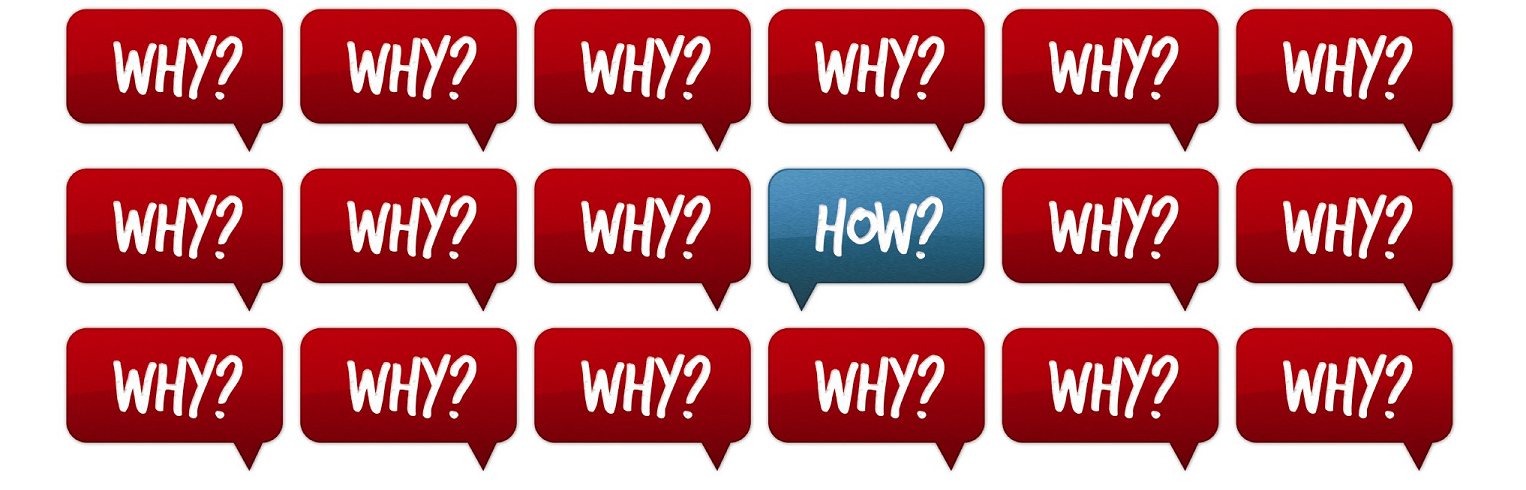
Most efforts to prevent suicide focus on why people take their lives. But as we understand more about who attempts suicide and when and where and why, it becomes increasingly clear that how a person attempts–the means they use–plays a key role in whether they live or die.
“Means reduction” (reducing a suicidal person’s access to highly lethal means) is an important part of a comprehensive approach to suicide prevention. It is based on the following understandings (click on each to learn more):
- Many suicide attempts occur with little planning during a short-term crisis.
- Intent isn’t all that determines whether an attempter lives or dies; means also matter.
- 90% of attempters who survive do NOT go on to die by suicide later.
- Access to firearms is a risk factor for suicide.
- Firearms used in youth suicide usually belong to a parent.
- Reducing access to lethal means saves lives.
Firearm access can be a politically-charged topic. We welcome both gun owners and non-gun owners to this website. It is designed to introduce a non-controversial, “lethal means counseling” approach to reducing a suicidal person’s access to firearms and other lethal means.
Families and friends who are concerned about someone can also help. Read more about ways to bring up storing guns off-site.
Clinicians concerned about a patient should also consider addressing firearm safety with the patient, or with their family.
Our Mission
The mission of the Means Matter Campaign is to increase the proportion of suicide prevention groups who promote activities that reduce a suicidal person’s access to lethal means of suicide and who develop active partnerships with gun owner groups to prevent suicide.
Who We Are
The Harvard Injury Control Research Center is dedicated to reducing injury through training, research, intervention, evaluation, and dissemination. The Center has published hundreds of studies on injury topics ranging from motor vehicle crashes to alcohol use to youth violence and suicide. The Center is part of the Harvard School of Public Health.
The Means Matter Campaign is funded by The Joyce Foundation and the David Bohnett Foundation.