Carbohydrates: quality matters
What’s most important is the type of carbohydrate you choose to eat because some sources are healthier than others. The amount of carbohydrate in the diet – high or low – is less important than the type of carbohydrate in the diet. For example, healthy, whole grains such as whole wheat bread, rye, barley and quinoa are better choices than highly refined white bread or French fries. (1)
Many people are confused about carbohydrates, but keep in mind that it’s more important to eat carbohydrates from healthy foods than to follow a strict diet limiting or counting the number of grams of carbohydrates consumed.
What are carbohydrates?
Carbohydrates are found in a wide array of both healthy and unhealthy foods—bread, beans, milk, popcorn, potatoes, cookies, spaghetti, soft drinks, corn, and cherry pie. They also come in a variety of forms. The most common and abundant forms are sugars, fibers, and starches.
Foods high in carbohydrates are an important part of a healthy diet. Carbohydrates provide the body with glucose, which is converted to energy used to support bodily functions and physical activity. But carbohydrate quality is important; some types of carbohydrate-rich foods are better than others:
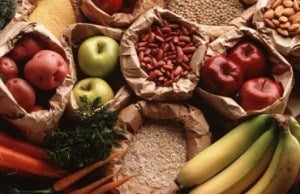
- The healthiest sources of carbohydrates—unprocessed or minimally processed whole grains, vegetables, fruits and beans—promote good health by delivering vitamins, minerals, fiber, and a host of important phytonutrients.
- Unhealthier sources of carbohydrates include white bread, pastries, sodas, and other highly processed or refined foods. These items contain easily digested carbohydrates that may contribute to weight gain, interfere with weight loss, and promote diabetes and heart disease.
The Healthy Eating Plate recommends filling most of your plate with healthy carbohydrates – with vegetables (except potatoes) and fruits taking up about half of your plate, and whole grains filling up about one fourth of your plate.
Try these tips for adding healthy carbohydrates to your diet:
1. Start the day with whole grains.
Try a hot cereal, like steel cut or old fashioned oats (not instant oatmeal), or a cold cereal that lists a whole grain first on the ingredient list and is low in sugar. A good rule of thumb: Choose a cereal that has at least 4 grams of fiber and less than 8 grams of sugar per serving.
2. Use whole grain breads for lunch or snacks.
Confused about how to find a whole-grain bread? Look for bread that lists as the first ingredient whole wheat, whole rye, or some other whole grain —and even better, one that is made with only whole grains, such as 100 percent whole wheat bread.
3. Also look beyond the bread aisle.
Whole wheat bread is often made with finely ground flour, and bread products are often high in sodium. Instead of bread, try a whole grain in salad form such as brown rice or quinoa.
4. Choose whole fruit instead of juice.
An orange has two times as much fiber and half as much sugar as a 12-ounce glass of orange juice.
5. Pass on potatoes, and instead bring on the beans.
Rather than fill up on potatoes – which have been found to promote weight gain – choose beans for an excellent source of slowly digested carbohydrates. Beans and other legumes such as chickpeas also provide a healthy dose of protein.
References
1. Mozaffarian D, Hao T, Rimm EB, Willett WC, Hu FB. Changes in diet and lifestyle and long-term weight gain in women and men. N Engl J Med. 2011;364:2392-404.
Terms of Use
The contents of this website are for educational purposes and are not intended to offer personal medical advice. You should seek the advice of your physician or other qualified health provider with any questions you may have regarding a medical condition. Never disregard professional medical advice or delay in seeking it because of something you have read on this website. The Nutrition Source does not recommend or endorse any products.